ARCHAEOLOGY
A Child of Its Time
The permanent archaeology exhibition is a treasure: it preserves a valuable historical heritage and offers a glimpse into the lives of people before the advent of written history.
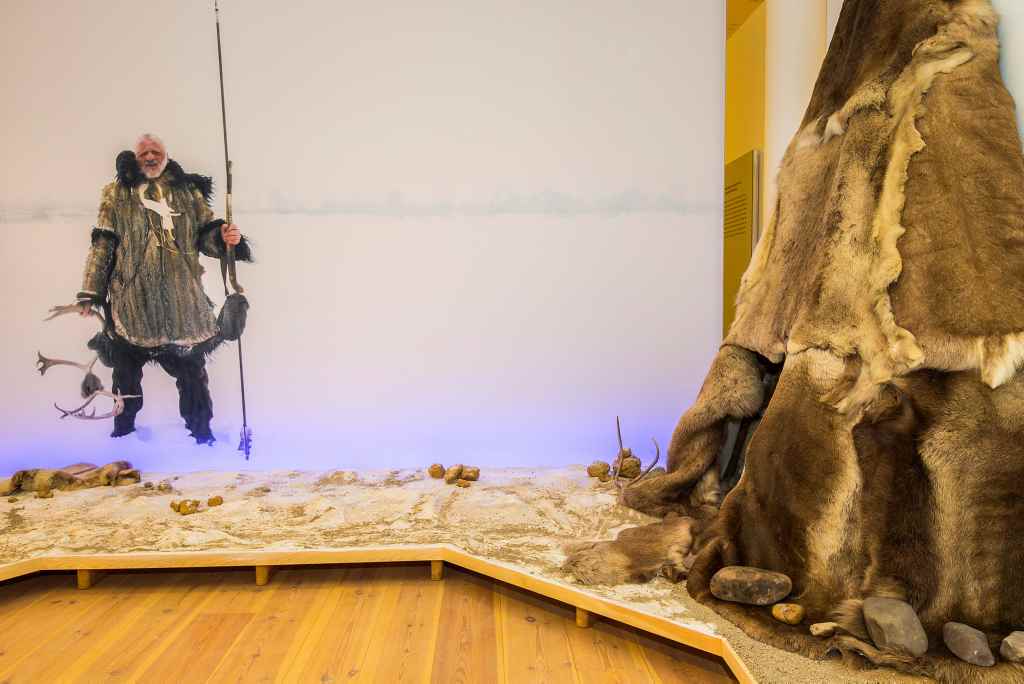
The archaeological objects on display are the most direct and authentic sources for this. The antiquities dealer and later museum director, Gustav Lübcke, collected artefacts from classical antiquity as well as local finds. Further objects were added through the excavation work of the second director, Ludwig Bänfer. Archaeology is always a child of its time. In Hamm, too, archaeology was co-opted by Nazi policies in the 1930s and 1940s. This is addressed in the exhibition.
Spanning more than 600 square metres, the objects on display tell the story of the region along the river Lippe before the city was founded. Millennia are presented as if in fast-forward. The oldest artefacts at the beginning of the exhibition are the skeletal remains of Ice Age mammoths, rhinoceroses and other large mammals that lived along the Lippe. Advanced dating techniques have revealed that some of these animals inhabited the Ice Age Lippe region as early as c. 40,000 years ago. Flint tools provide evidence of human presence and demonstrate their specialised knowledge of materials and skilled craftsmanship in the manufacture of stone tools.
The example of research into an unremarkable black substance, which turned out to be an adhesive, illustrates how archaeologists gain their insights. The substance was found on a 14,000-year-old spear used for fishing. The results of the material analysis caused a sensation, as they provided earliest indirect evidence of the presence of bees in Central Europe after the Ice Age!
In many cases, it is possible to shed light on the living conditions of people in earlier times. In some places, modern equivalents are displayed alongside the exhibited objects to illustrate parallels with our own world. The spiritual world of our ancestors is revealed through artefacts such as an antler artefact of unknown function, urn burials from the Bronze and Iron Ages, and the unadorned tree-coffin burial from the early Middle Ages.
Throughout the archaeological section, there are faithful replicas designed to provide a tactile experience. Touching and trying things out is not only allowed but encouraged!
Programm
-
So. 06.09.14:00 1 Std.
-
So. 29.11.14:00 1 Std.
Galerie
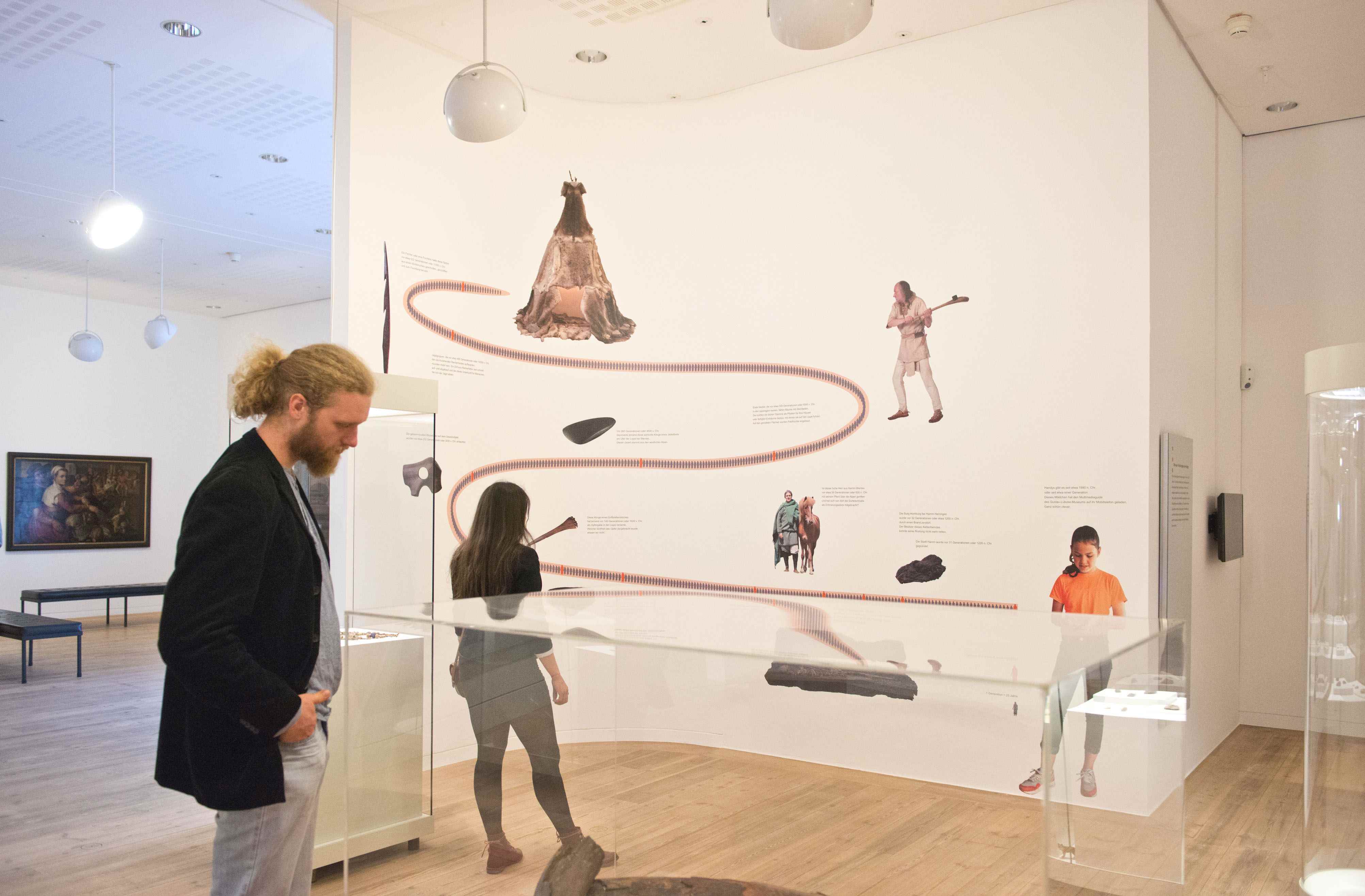
Ausstellung Archäologie, © Heinz Feußner, Hamm
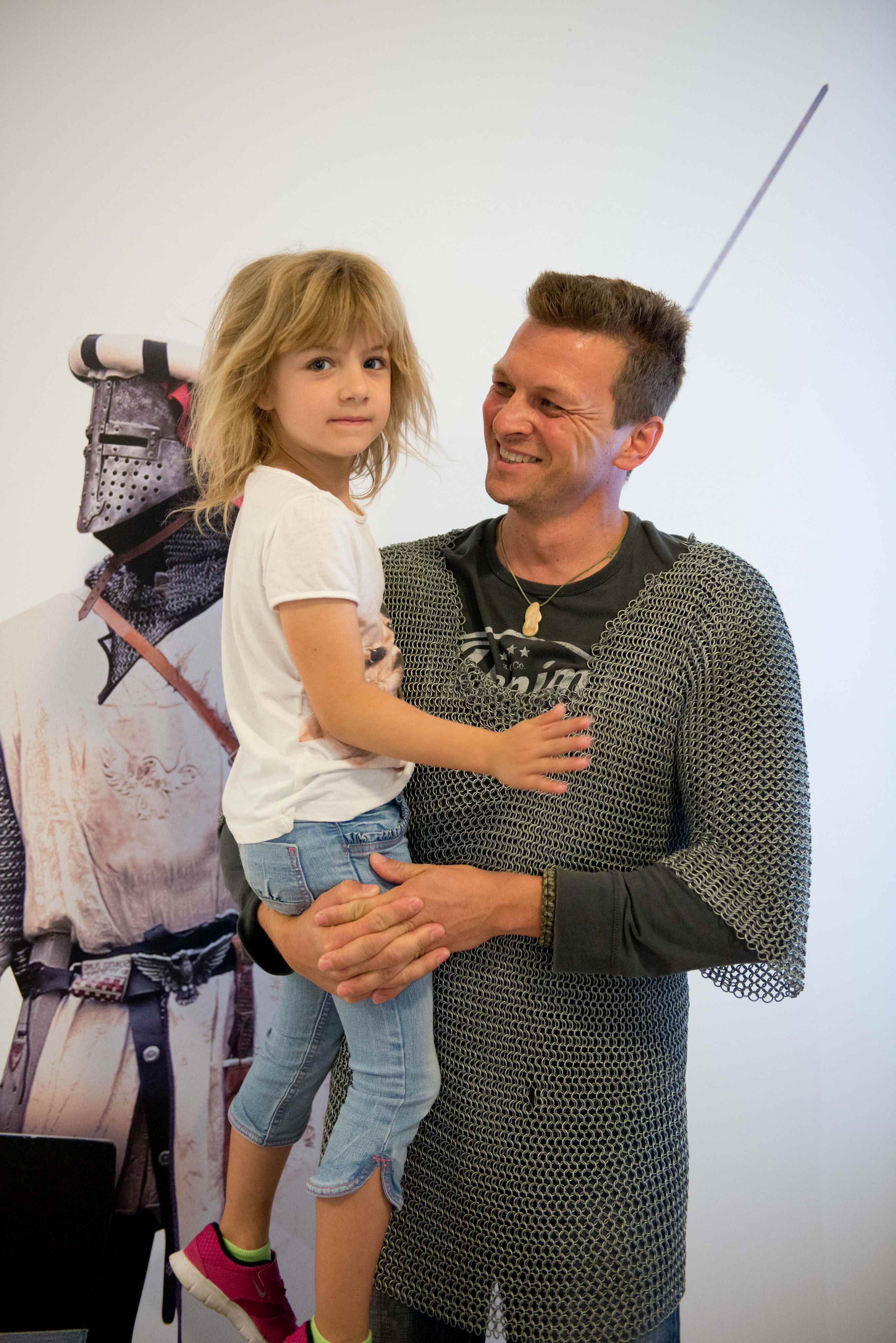
Ausstellung Archäologie, Kettenhemd Anprobe, © Heinz Feußner, Hamm
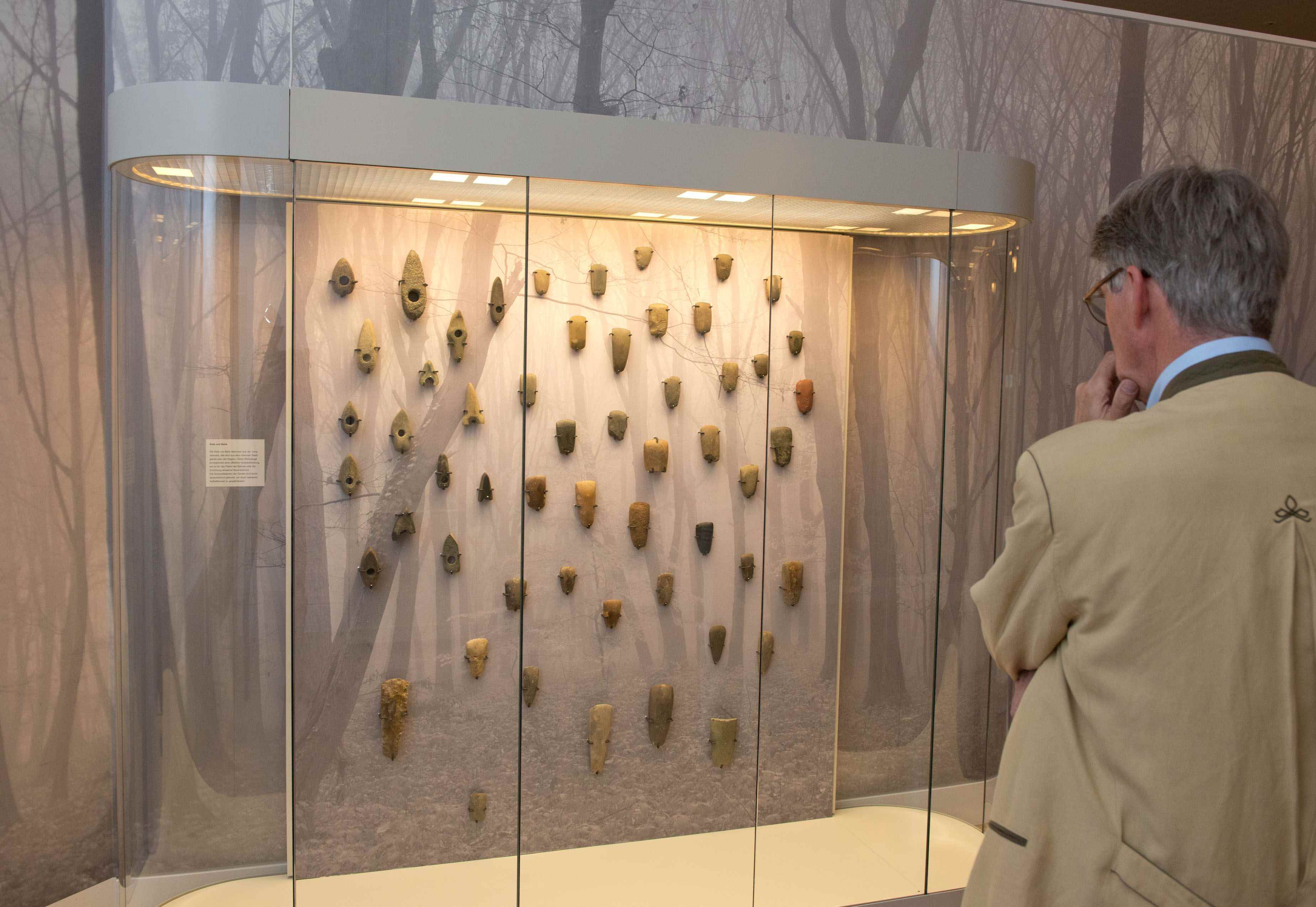
Ausstellung Archäologie, Äxte und Beile aus dem Stadtgebiet, © Heinz Feußner, Hamm
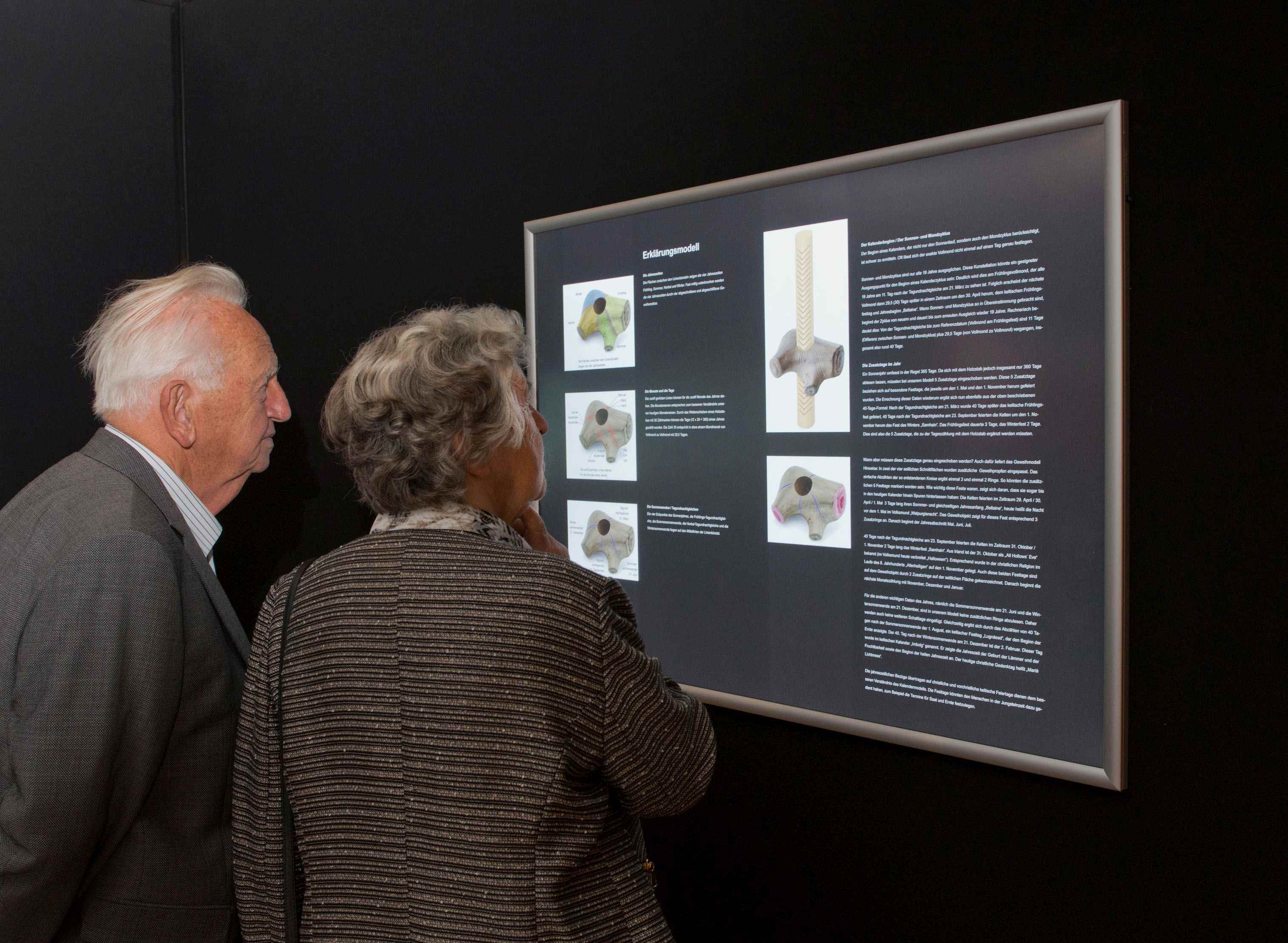
Ausstellung Archäologie, Geweihgerätkoje, © Heinz Feußner, Hamm
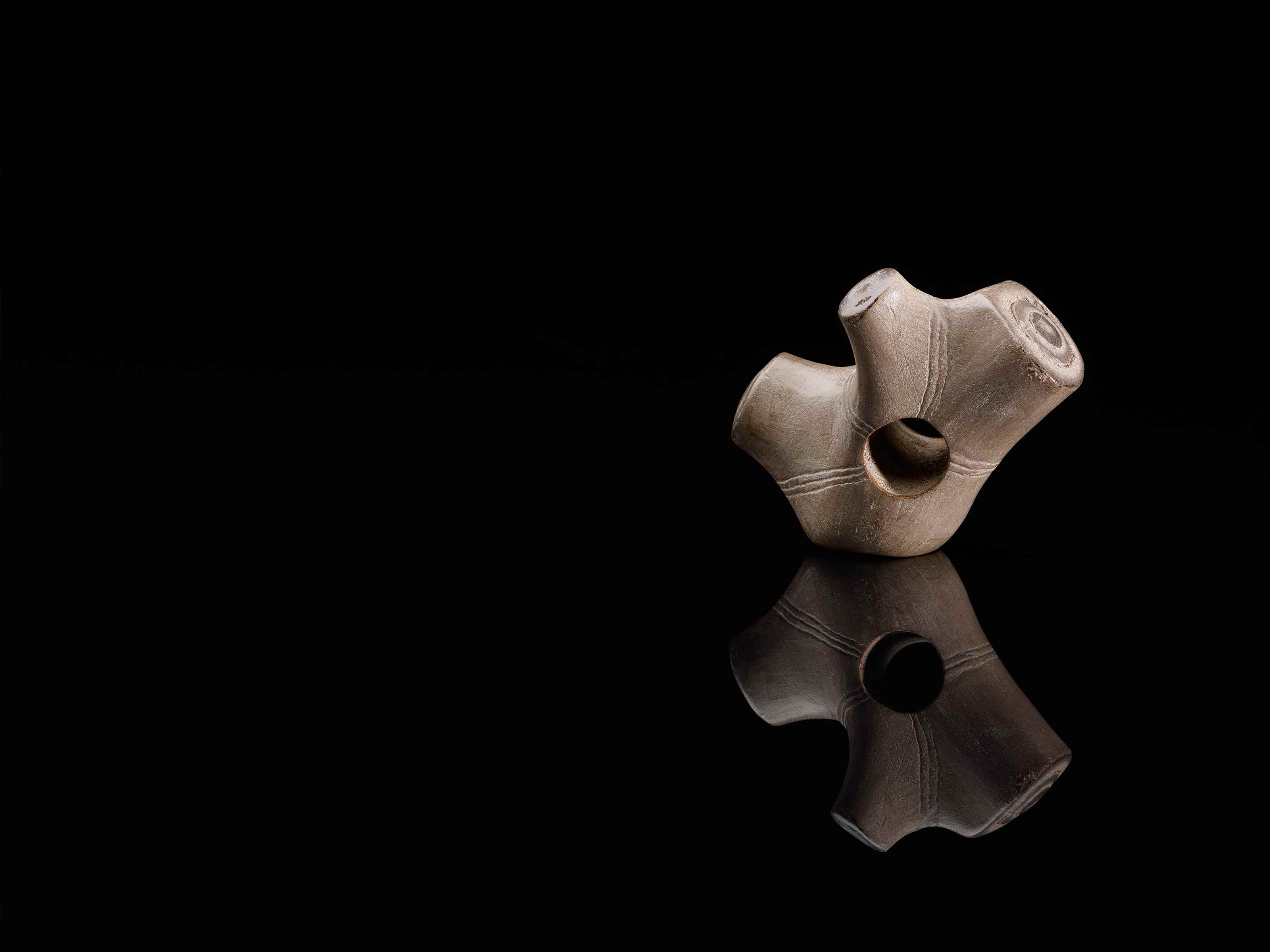
Verziertes Gerät aus Hirschgeweih, 3070 – 3020 v. Chr., Spätneolithikum, Trichterbecher-/ Wartburgkultur, Import aus Mitteldeutschland? Fundort: Lünen-Lippolthausen, bei Schloß Buddenburg an der Lippe D: 3,5cm, 8,9 – 9,5cm x 11,5cm, Inv. Nr. 4624, © Stefan Brentführer, LWL Archäologie für Westfalen
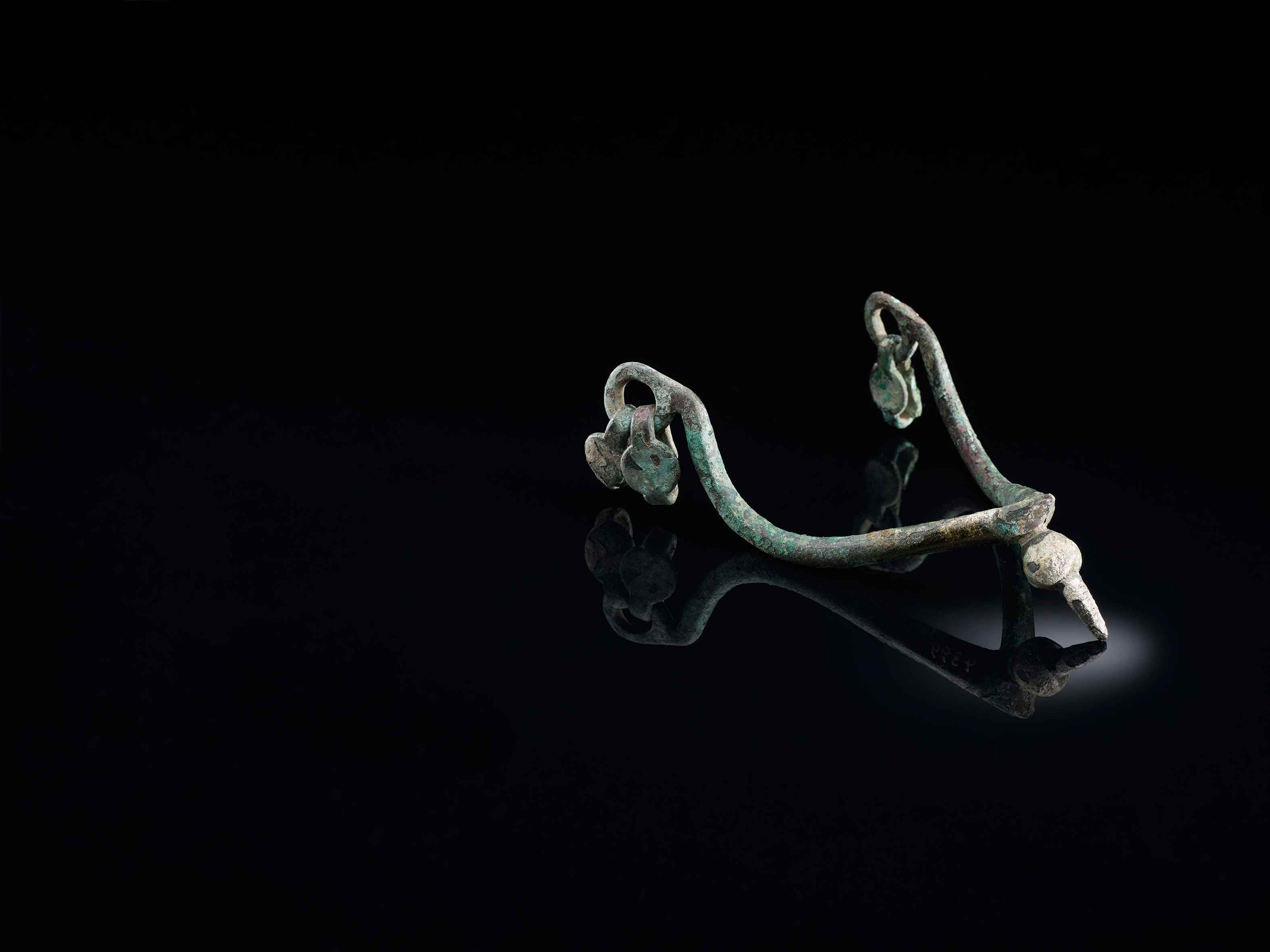
Stachelsporn Bronze, partiell Goldauflage, 13. Jh. n. Chr., Spät-/ Hochmittelalter, Fundort: Hamm, Burg Mark, 8,5 x 13,5cm, Inv.Nr. 4399, © Stefan Brentführer, LWL Archäologie für Westfalen
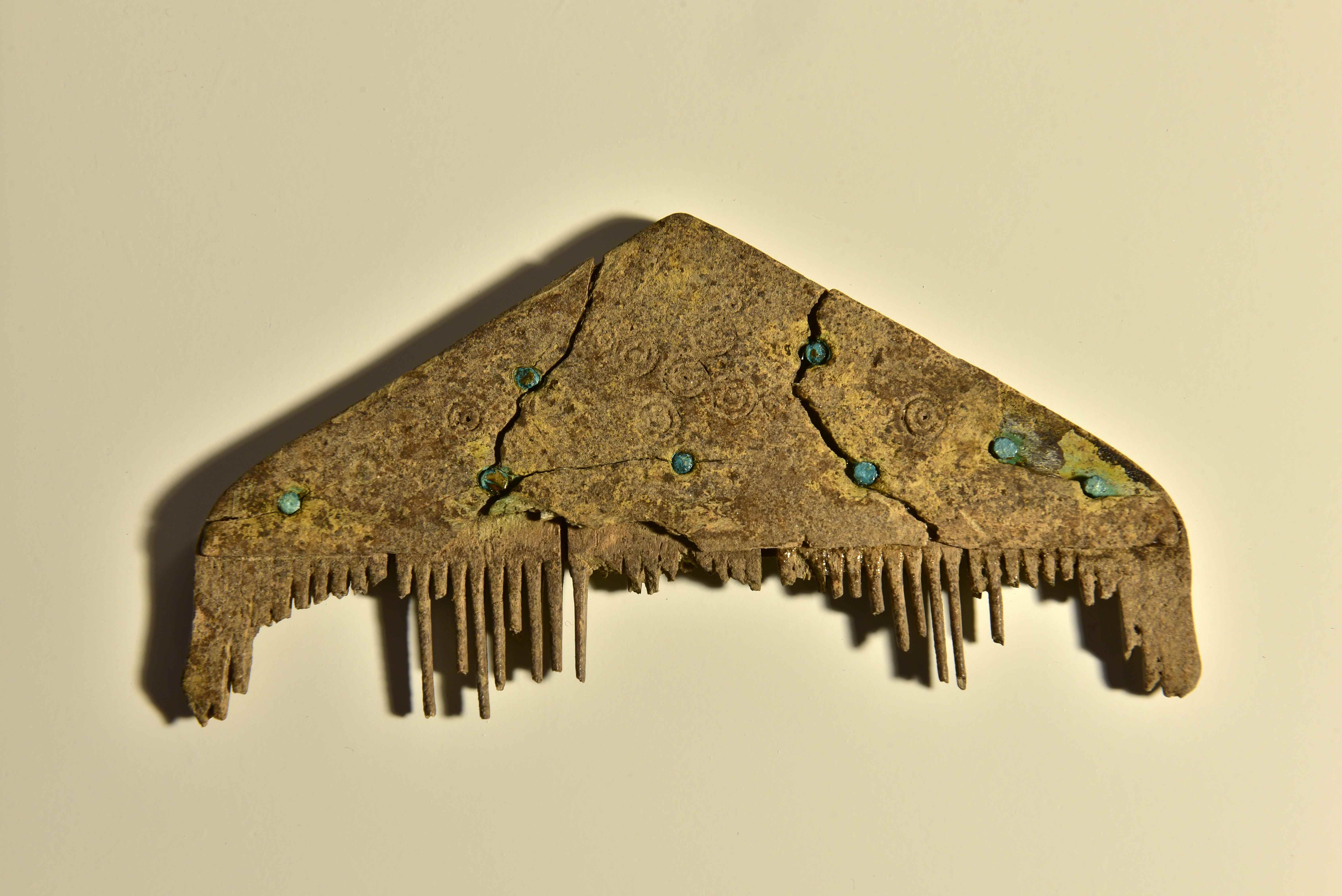
Dreilagenkamm Knochen, Geweih, Bronze 4./5. Jh. n. Chr., Frühmittelalter Fundort: Kamen - Westick, Kreis Unna, 7 x 14 cm, Inv. Nr. 4203, © Gustav-Lübcke-Museum Hamm
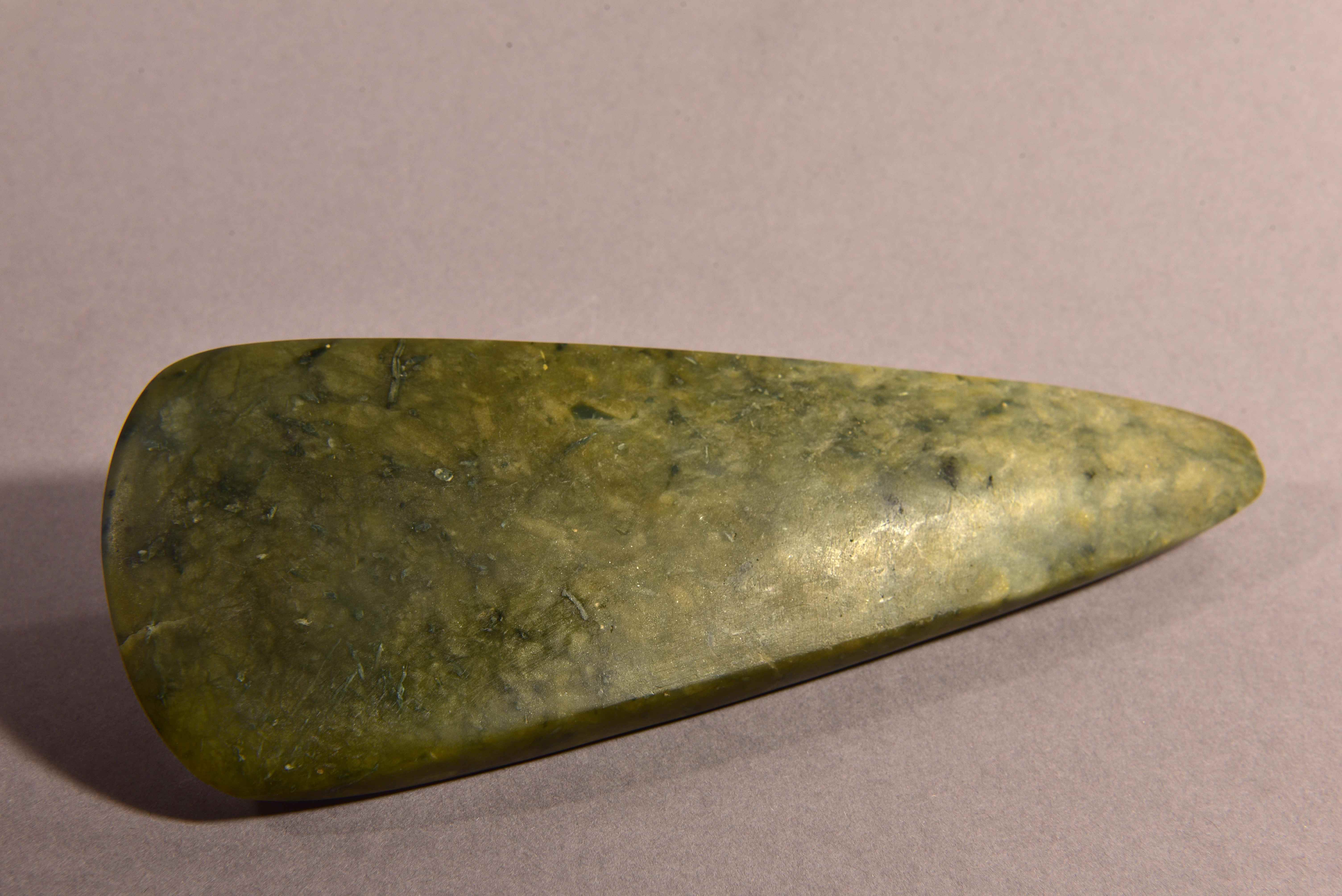
Jadeitbeil, Jadeit, um 4000 v. Chr., Jungneolithikum, Michelsberger Kultur, Fundort: Grevenbroich, 4,5 x 14,5cm, Inv. Nr. 825, © Gustav-Lübcke-Museum Hamm
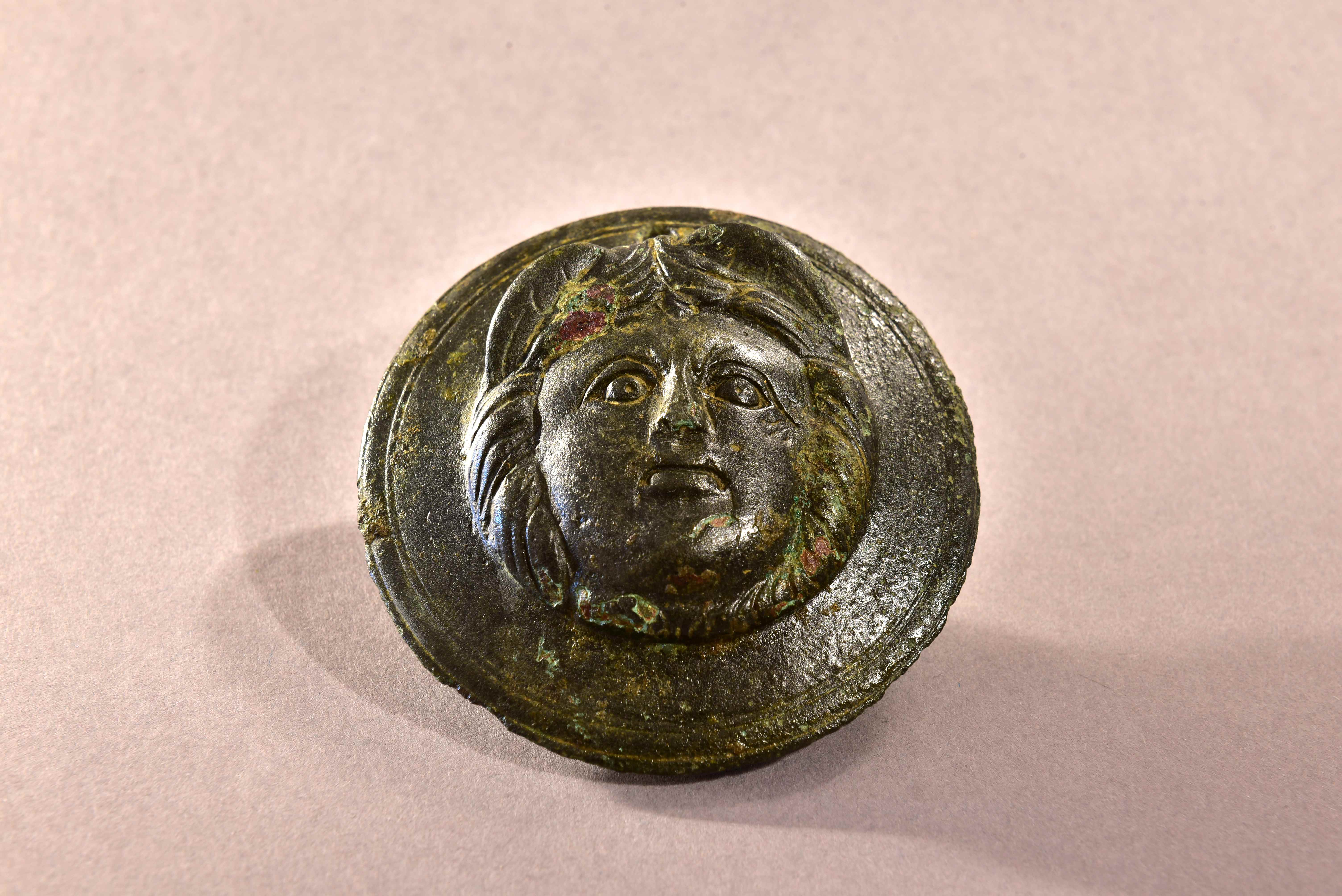
Phalera mit Darstellung einer Medusa, Bronze RKZ, Fundort: Kamen – Westick, Kreis Unna, D: 6,2cm, Inv.Inr. 10229, © Gustav-Lübcke-Museum Hamm
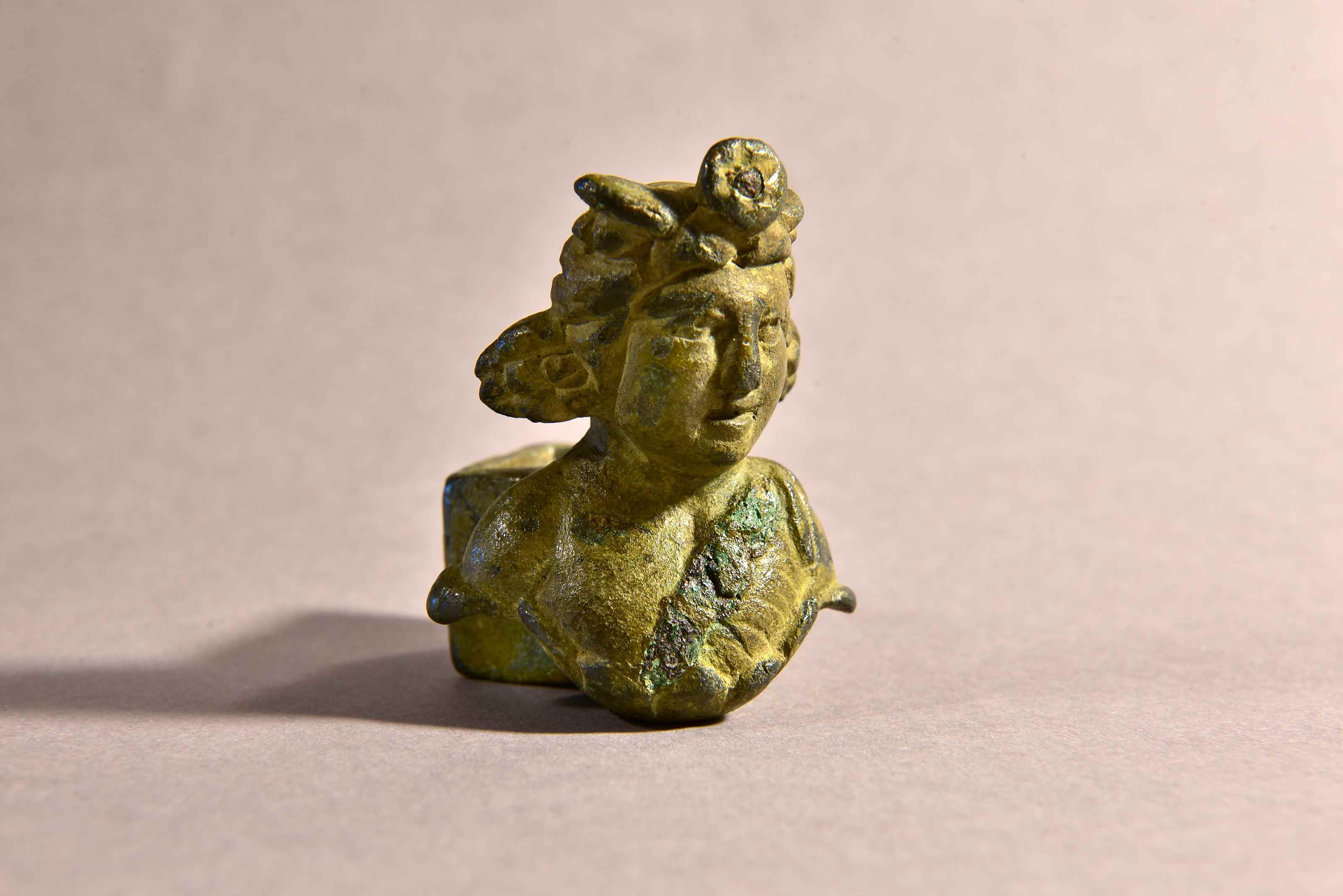
Bacchusprotome eines römischen Klapptisches, Bronze, Buntmetall RKZ, Fundort: Kamen – Westick, Kreis Unna, 2,4 x 2,4 x 4,6cm, Inv.Nr. 10230, © Gustav-Lübcke-Museum Hamm
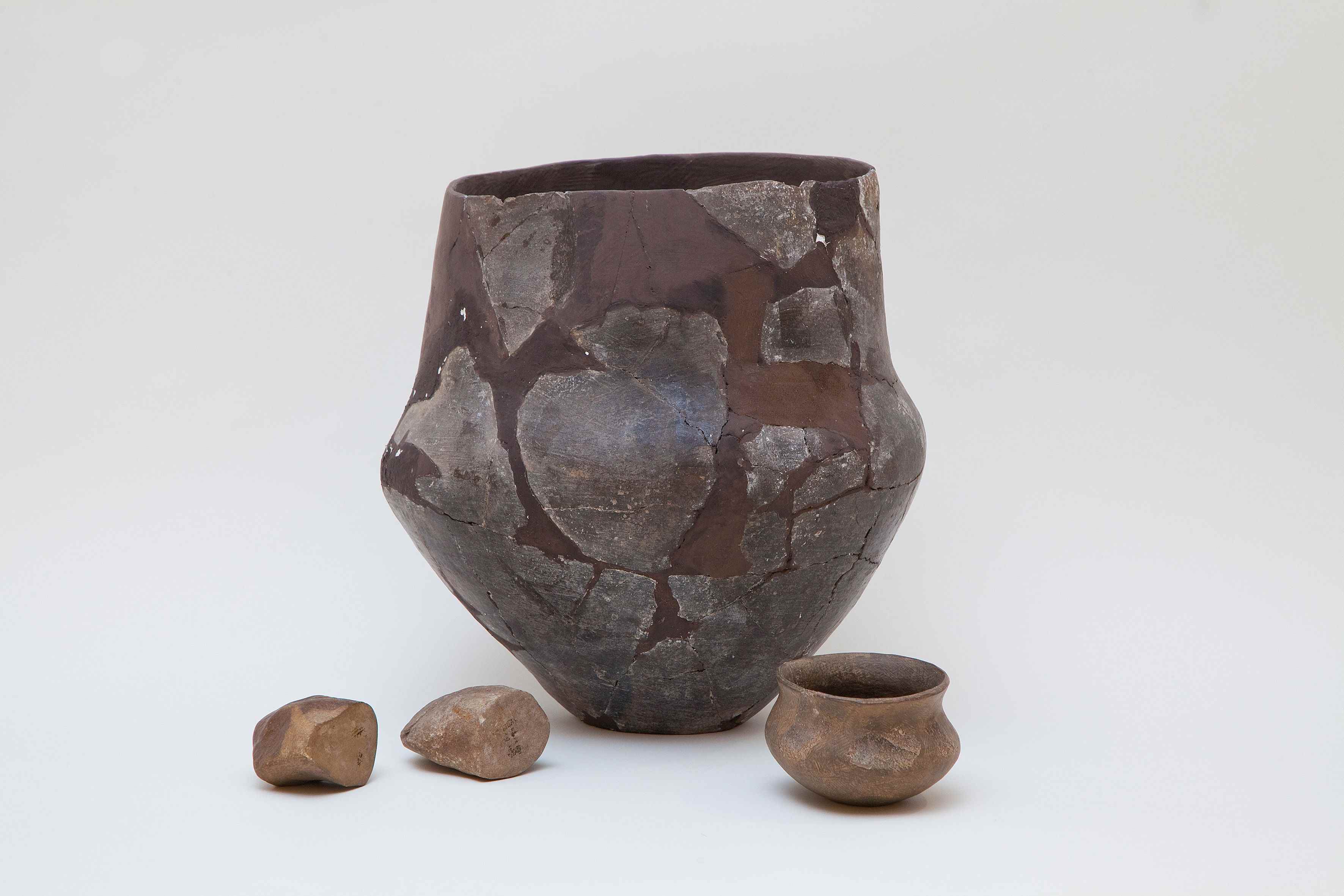
Grabinventar eines Handwerkers, Randlose Zylinderhalsurne mit Beigefäß und zwei Schleifsteinen Keramik, Sandstein, Bronzezeit, Fundort: Hamm, Zeche Radbod, Urne: H: 36,2cm, Inv. Nr. 4223, 4224, 4225, 4226, © Thorsten Hübner, Stadt Hamm
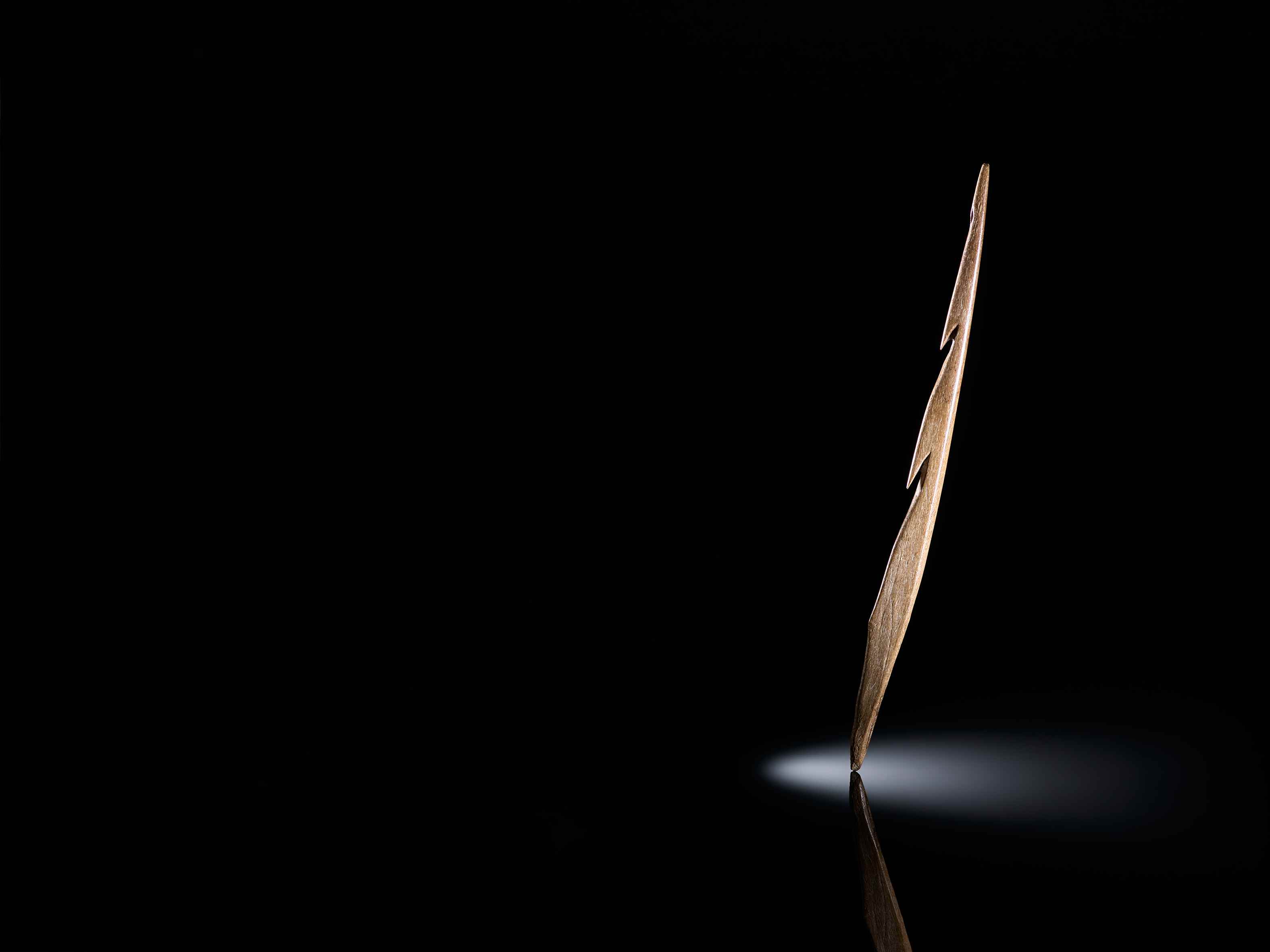
Fischspeer, Widerhakenspitze mit Resten eines Schäftungsklebstoffes (Elch-?) Knochen, Bienenwachs, Holzkohle 11.050 v. Chr. (C14-Datierung), Spätpaläolithikum Fundort: Seseke bei Bergkamen – Oberaden H max. 0,9cm B max. 1,6cm L 25,3cm Inv. Nr. 4182, © Stefan Brentführer, LWL Archäologie für Westfalen
