COLLECTION OF PRINTS AND DRAWINGS
Art on Paper
Through targeted acquisitions, the collection focuses on works by Westphalian artists of the early twentieth century, as well as German Informel art. The first acquisitions for the Collection of Prints and Drawings date back to the founding of the Gustav-Lübcke-Museum.
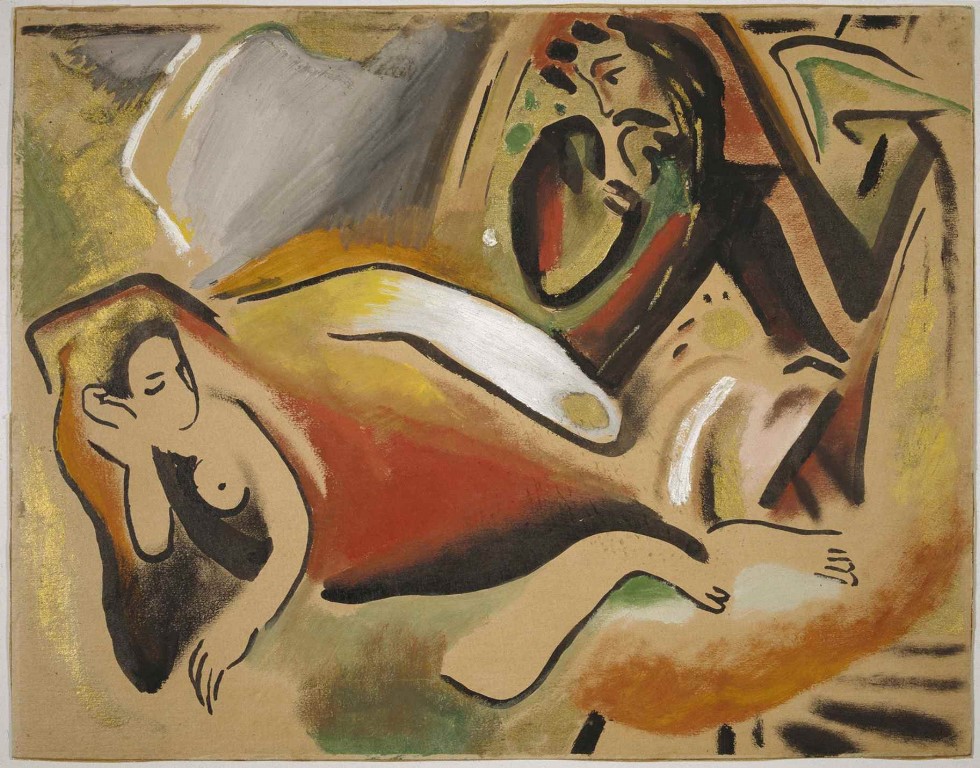
For conservation reasons, the works in the Collection of Prints and Drawings cannot be on permanent display: light is the enemy of paper! However, they can be viewed in temporary exhibitions. The holdings are as diverse as the Gustav-Lübcke-Museum’s collection as a whole. Drawings and works created using almost all known printmaking techniques are kept in the depot. The collection also includes numerous historical photographs, particularly of Italian cultural monuments. Extensive collections of sixteenth-century Dutch copperplate engravings and etchings document an important chapter in the history of printmaking. A significant collection of bookplates, a considerable collection of coloured optical prints and an extensive collection of Westphalian cityscapes from the sixteenth to the nineteenth century form distinct collection areas. The collection also includes numerous remarkable drawings by artists from the Düsseldorf School of Painting and their contemporaries, such as Gottfried and Wilhelm Schadow and Eduard Bendemann. By a stroke of good fortune, a collection of architectural designs by the famous Berlin architect Karl Friedrich Schinkel also found its way into the Gustav-Lübcke-Museum.
Works by Expressionist artists were actively acquired in the 1920s. The collection suffered a severe blow in 1937 as a result of the ‘Degenerate Art’ campaign: more than twenty works by renowned artists, including drawings by Wilhelm Morgner, Christian Rohlfs, Lovis Corinth, Wilhelm Lehmbruck and Walter Ophey, were lost forever.
In the post-war period, the museum succeeded in purchasing works by Max Beckmann. Thanks to a generous donation, the museum also acquired a watercolour by Emil Nolde. The collection is further enriched by other individual works, including a drawing by August Macke.
In the final decades of the twentieth century, drawings and prints by Westphalian artists were also acquired for the collection. Works by Wilhelm Morgner, Eberhard Viegener, Wilhelm Wulff and Otto Coester strengthened the collection’s focus.
Through donations and targeted acquisitions, works of Informel art, in particular, were added to the Gustav-Lübcke-Museum in Hamm. Works by Hann Trier, Hans Hartung, Karl Otto Götz, Gerhard Hoehme, Wols and numerous other important representatives of the German Informel movement form the basis of one of the most significant collections of this art movement. In the 2000s, the artistic estate of Hans Kaiser, including numerous prints and drawings, was added to the museum’s collection. Kaiser’s work is currently being systematically catalogued as part of a research project (2020–2022).
Please feel free to contact: Ronja Friedrichs
Galerie
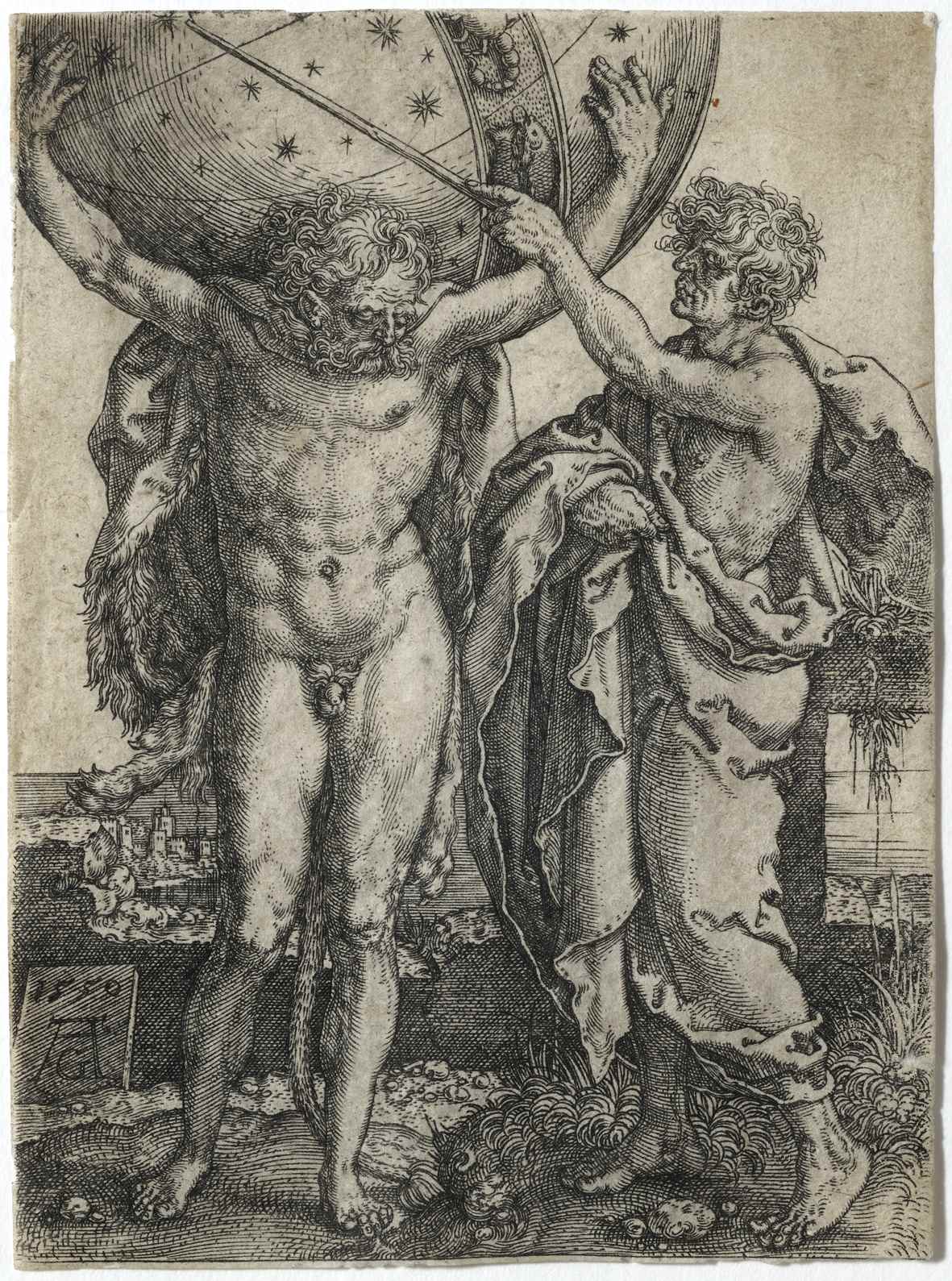
Heinrich Aldegrever (1502-1555/61), Herkules trägt das Himmelsgewölbe, um 1550, Kupferstich 9 x 7 cm, © Heinz Feußner, Hamm
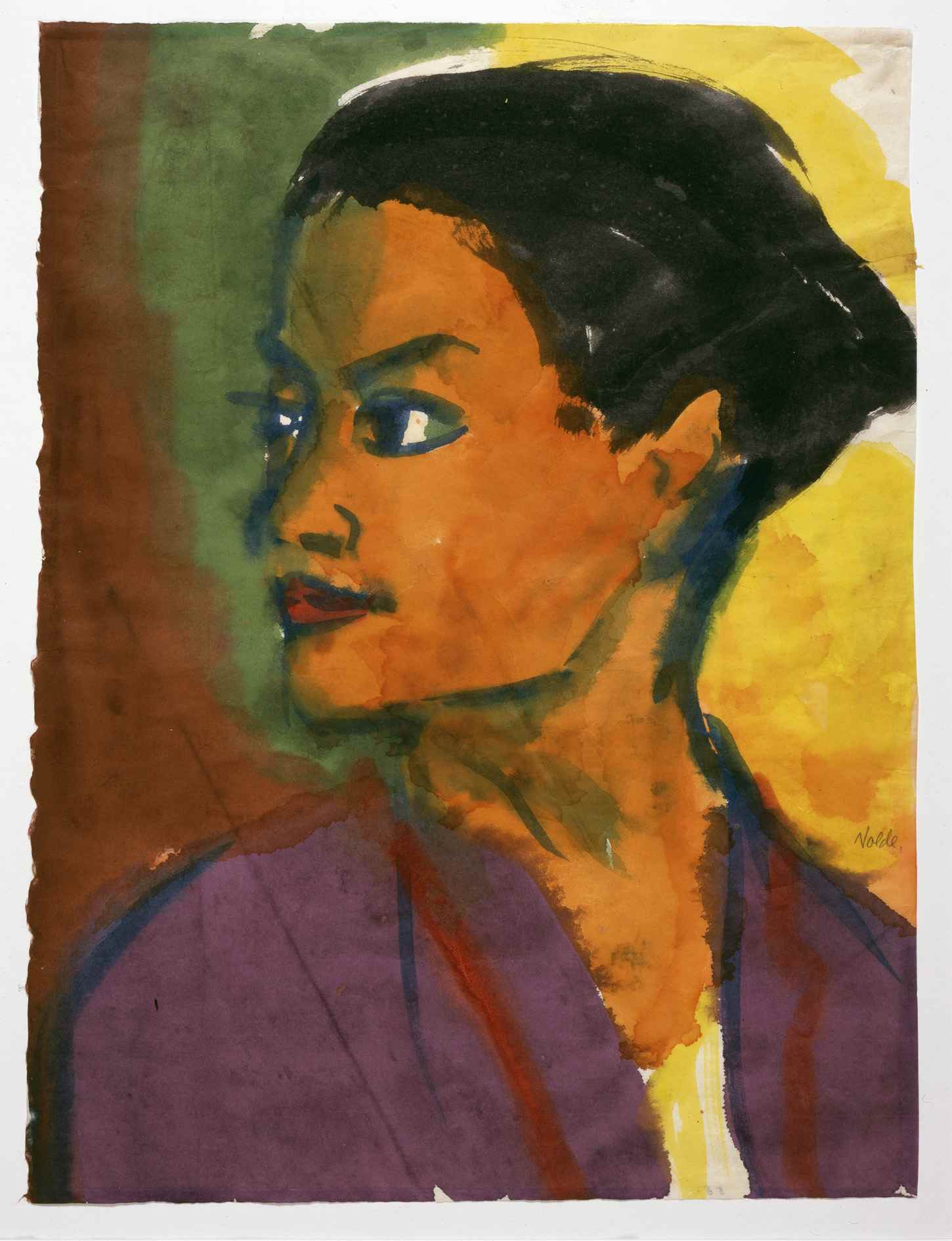
Emil Nolde (1867-1956), Brustbild einer Frau, 1921, Aquarell 46,5 x 35 cm, © Heinz Feußner, Hamm
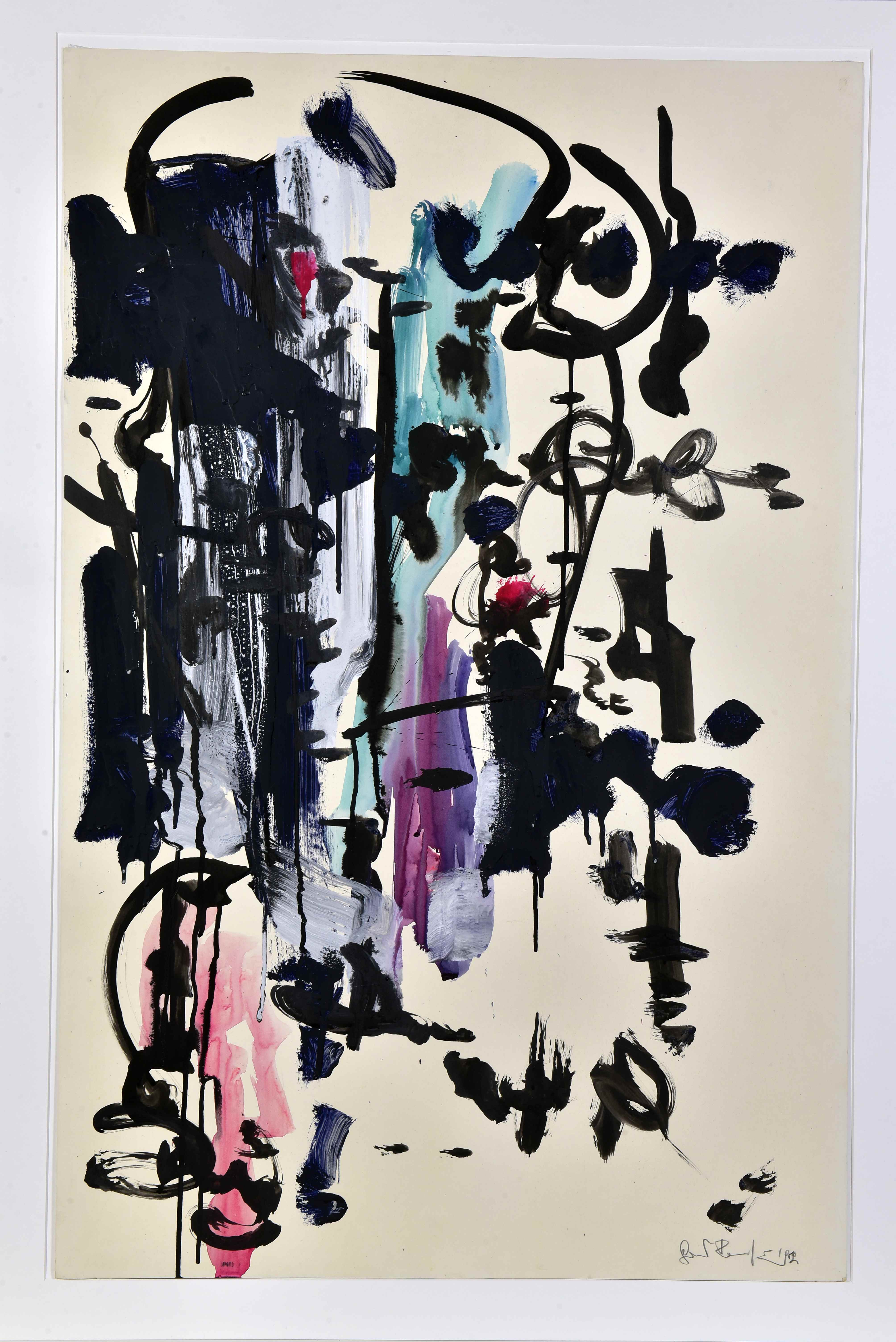
Hans Kaiser (1914-1982), An Buber, 1962, Tusche und Graphit auf weißem Karton 100 x 65 cm, © Gustav-Lübcke-Museum Hamm
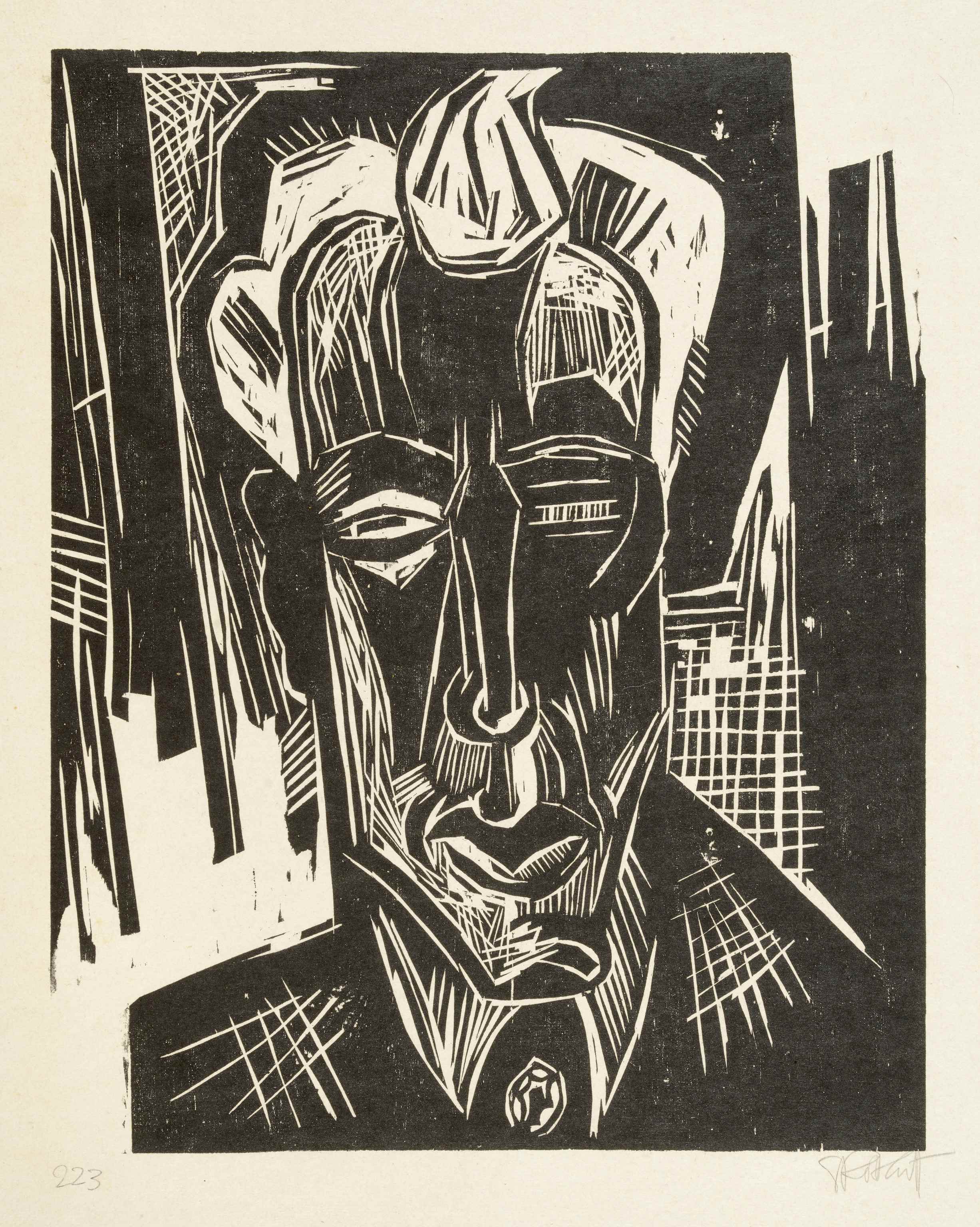
Karl Schmidt-Rottluff (1884-1976), Bildnis Wilhelm Niemeyer, 1922, Holzschnitt 50 x 39,8 cm, © Heinz Feußner, Hamm
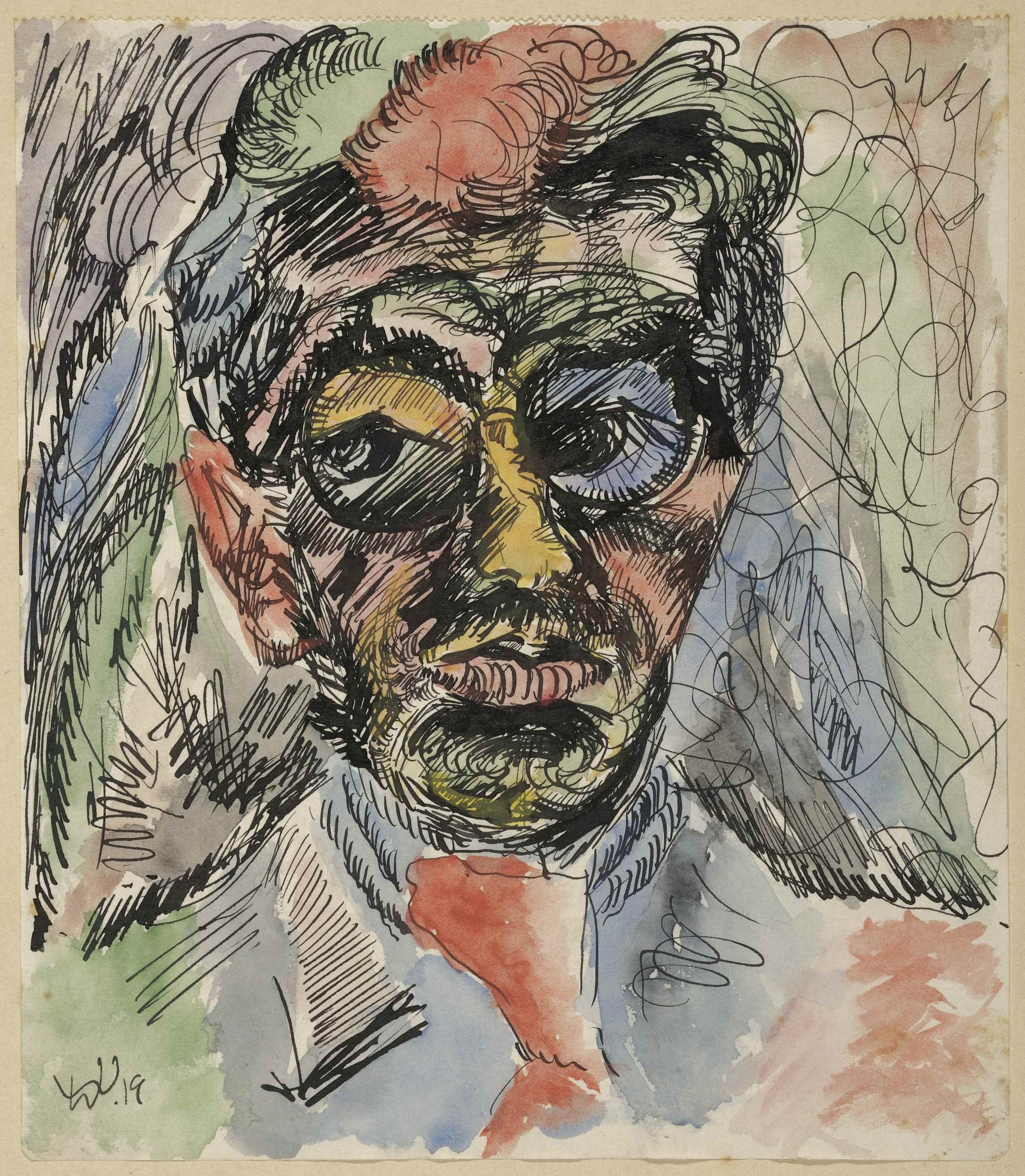
Wilhelm Wulff (1891-1980), Selbstbildnis, 1919, Aquarell & Tuschfeder 20,7 x 18,1 cm, © Heinz Feußner, Hamm
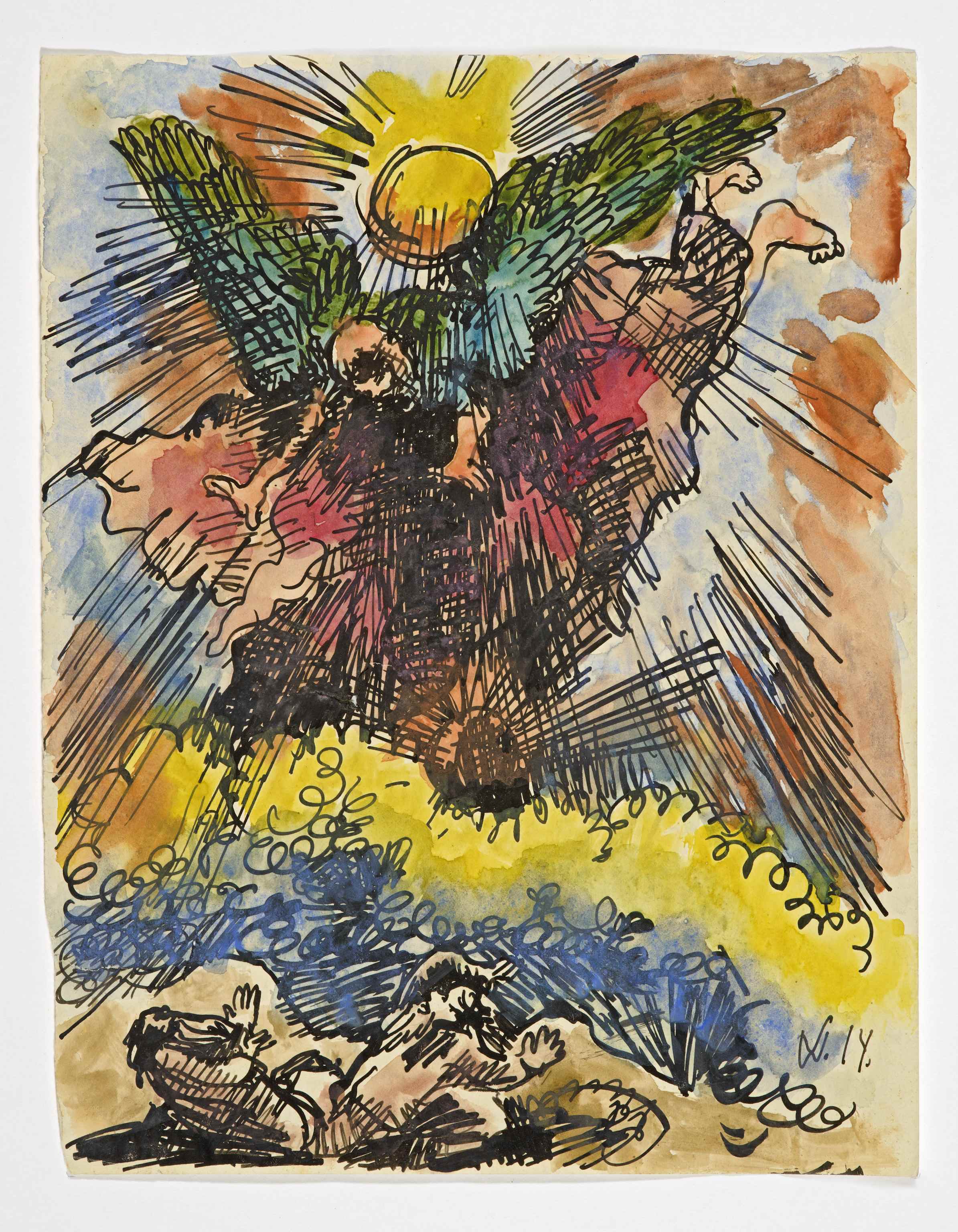
Wilhelm Morgner (1891-1917), Verkündigung, 1914, Feder & Aquarell 28,1 x 22 cm, © Heinz Feußner, Hamm
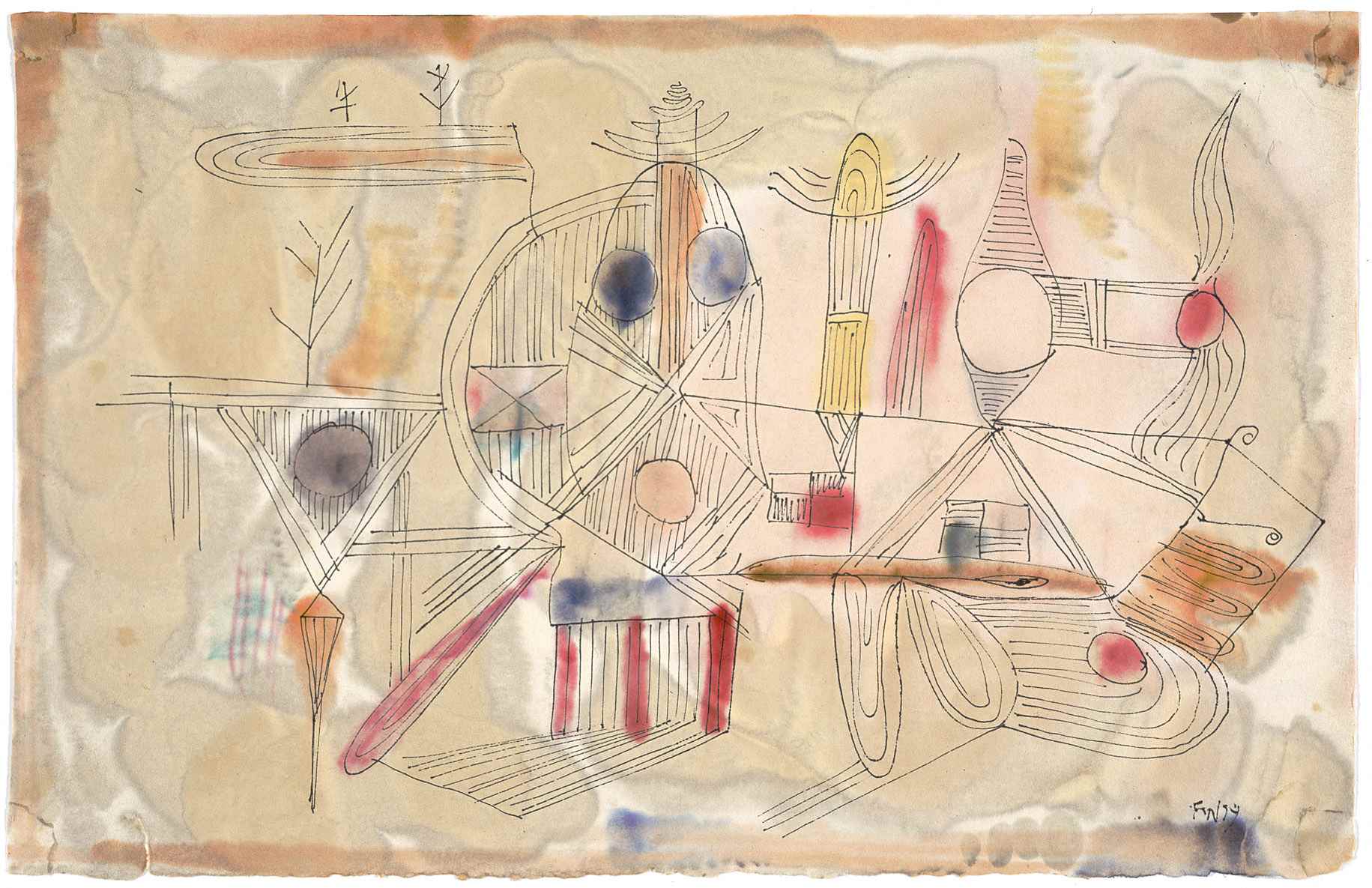
Fritz Winter (1905-1976) Ohne Titel, 1929 Aquarell, Tuschfeder und Löschpapier 28,5 x 44,5 cm, © Heinz Feußner, Hamm
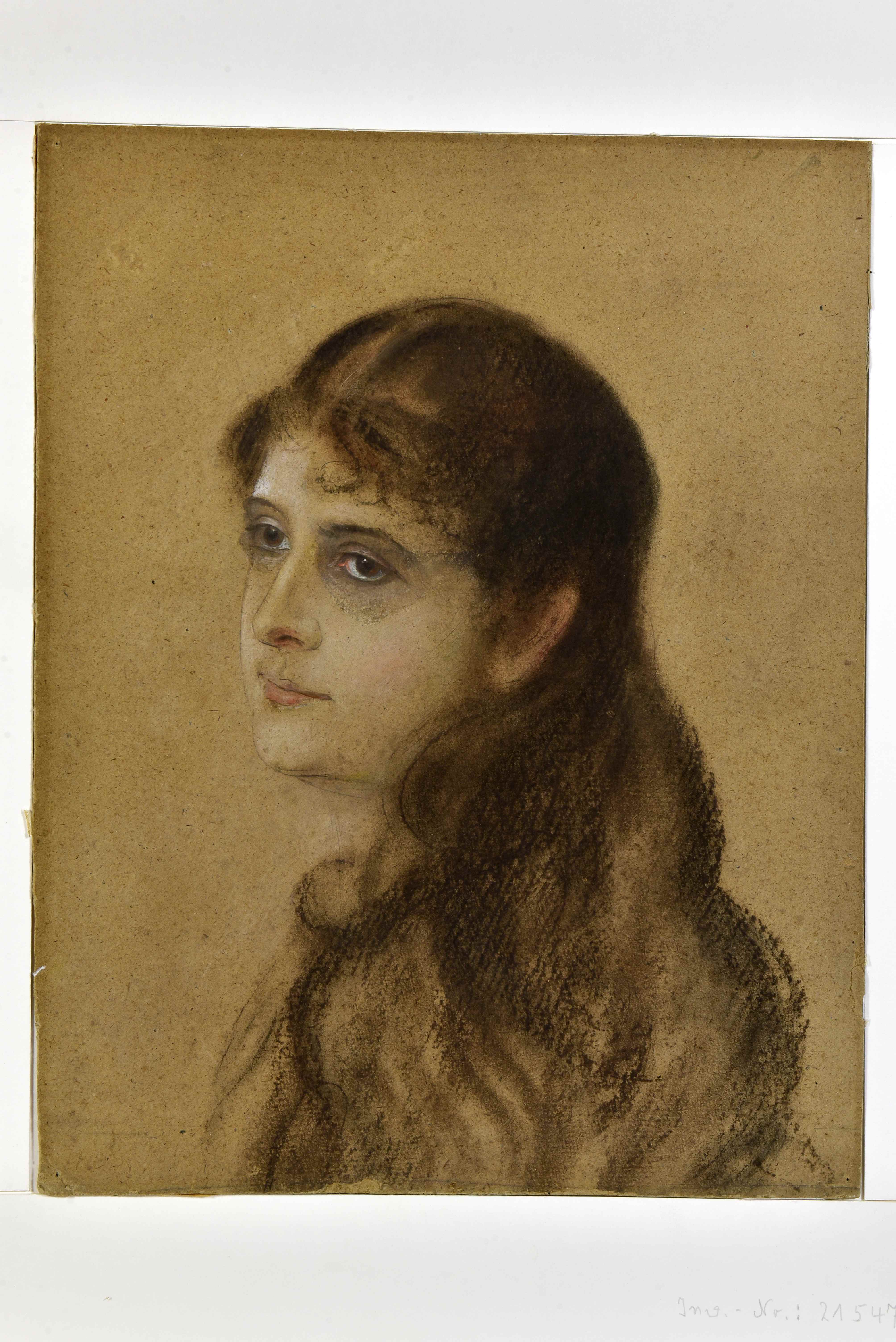
Franz von Lenbach (1836-1904), Junge Frau, Pastell 47 x 36 cm, © Heinz Feußner, Hamm
