ANCIENT EGYPT
The Realm of the Pharaohs
The Gustav-Lübcke-Museum boasts the largest collection of ancient Egyptian art in the Ruhr region. Spanning 500 square metres, the permanent exhibition offers plenty of space to explore the legacy of this advanced civilisation on the Nile.
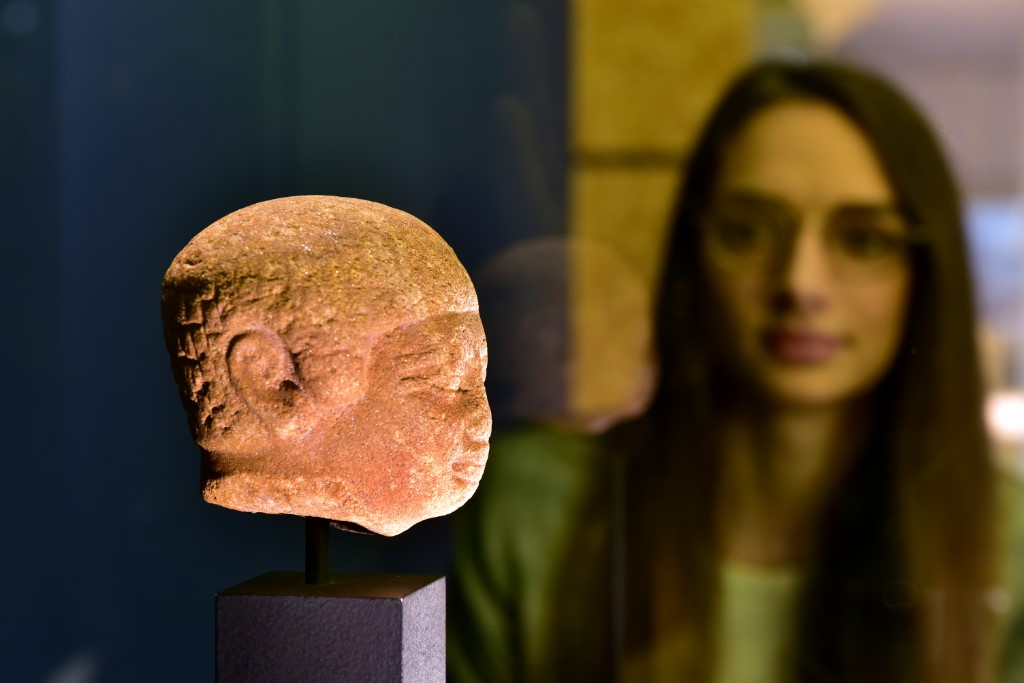
Ancient Egyptian tombs, monumental temples to the gods and mysterious hieroglyphs fascinate visitors of all ages and continue to present scholars with a number of puzzles to this day. The exhibition builds a bridge from early dynastic stone vessels of the fourth millennium BCE to the garments of the post-pharaonic Islamic period.
A wide range of everyday items, including make-up palettes, ointment jars, jewellery, tools and pottery, offer a vivid insight into the lives of ancient Egyptians. The religious world of ancient Egypt can also be explored through bronze statues of gods, stone temple reliefs and animal mummies. The cult of the dead played a particularly important role in ancient Egypt. The 7.5-tonne sarcophagus of Sechem-Ka exemplifies the elaborate measures the Egyptians took for their burials. The splendidly coloured wooden coffins of Sat-Sobek and Peti-Imen-Menu are also a delight to behold. Grave goods were often buried with the deceased in large quantities, as they were intended to ensure their well-being in the afterlife. Alongside vessels for offerings, the exhibition features ushabti – small servant figures designed to assist the deceased in the afterlife.
Objects from the Greco-Roman period (332 BCE–395 CE) highlight the fact that Egypt was a place of cultural exchange. This is reflected in a unique way in the art of this era. Two mummy portraits from Fayum, renowned for their naturalistic depiction of subjects, give this period a face – in the truest sense of the word. Furthermore, Coptic artefacts illustrate the diversity of the cultural landscape along the Nile. The collection of ancient Egyptian artefacts in Hamm dates back to 1886, when the Mummy Society was founded.
The aim of the society was to bring a genuine ancient Egyptian mummy to Hamm. The project was successful that same year, and a female mummy found a new home in Hamm. Unfortunately, the mummy was destroyed during the Second World War. A black-and-white photograph is the only source showing the mummy’s appearance. State-of-the-art technology has made it possible to create a 3D replica based on this photograph, which is also on display in the exhibition.
The presentation dedicated to Ancient Egypt captivates with its remarkable variety of artefacts, thereby attracting visitors from far and wide to the Gustav-Lübcke-Museum.
Please feel free to contact: Jalina Tschernig
Programm
-
So. 27.12.14:00 1 Std.
Galerie
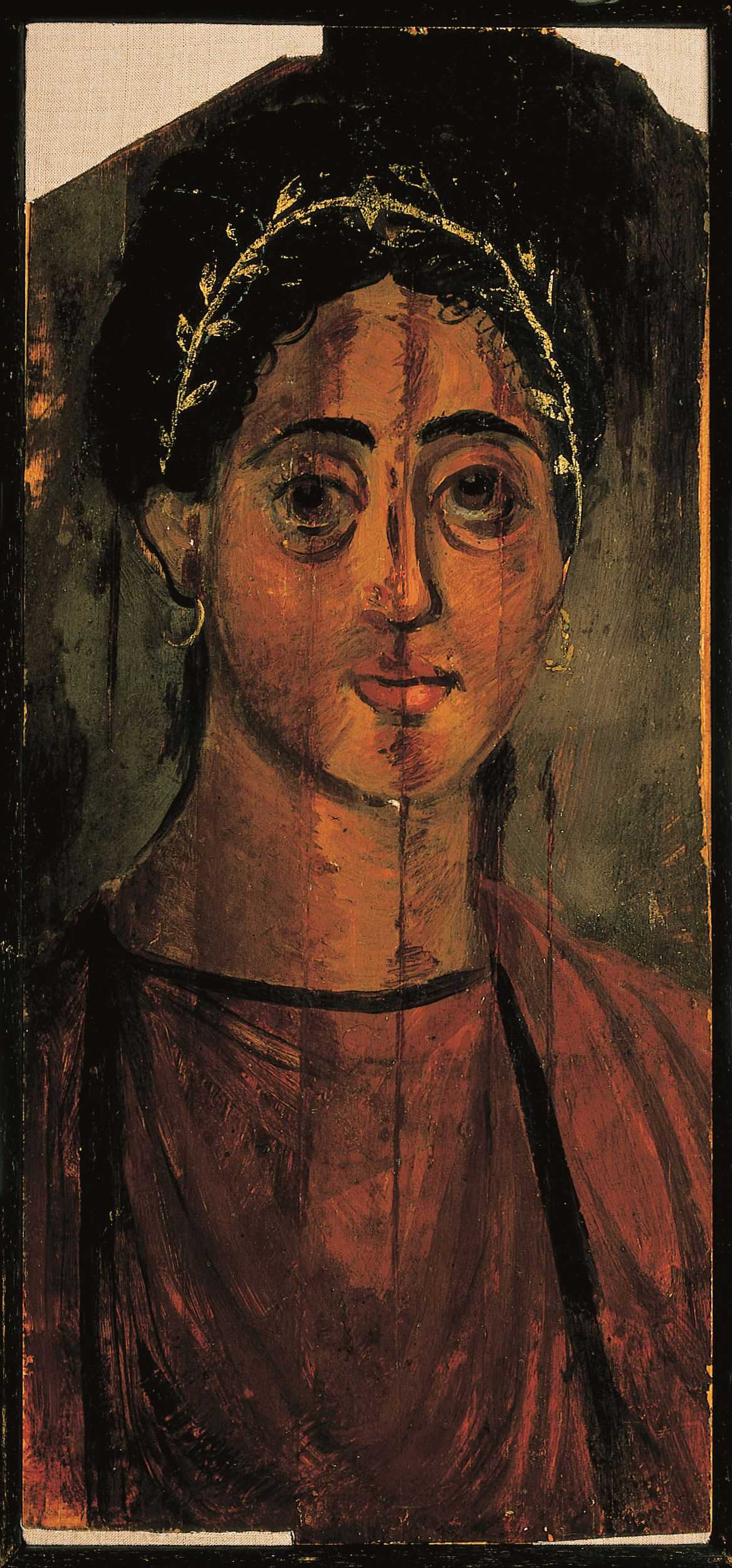
Mumienportrait einer Frau, Röm. Kaiserzeit, Kaiser Trajan, um 100–110 n. Chr., Ägypten, Fayum (?) Enkaustik auf Holz 42,5 × 19,5 cm, © Gustav-Lübcke-Museum Hamm/Thorsten Hübner

Bronzestatuette der Isis lactans, Spätzeit, ca. 650–330 v. Chr., Ägypten Bronze 21,0 × 5,15 × 3,95 cm, © Gustav-Lübcke-Museum Hamm/Thorsten Hübner
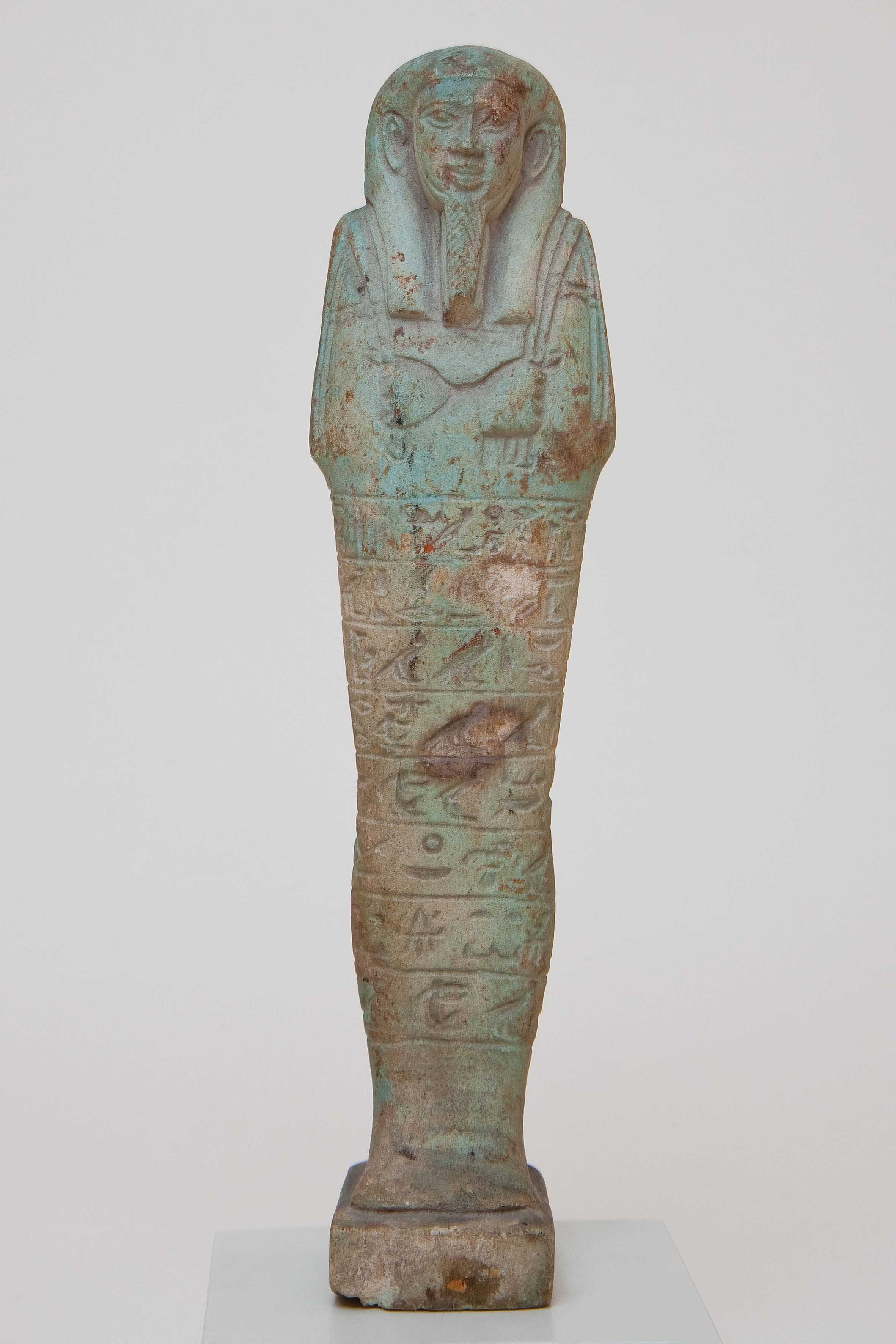
Uschebti des Wah-ib-Re-em-achet, Spätzeit, 26. Dyn., Amasis, 570–526 v. Chr., Ägypten, Fayence 18,1 × 4,55 × 3,1 cm, © Gustav-Lübcke-Museum Hamm/Thorsten Hübner
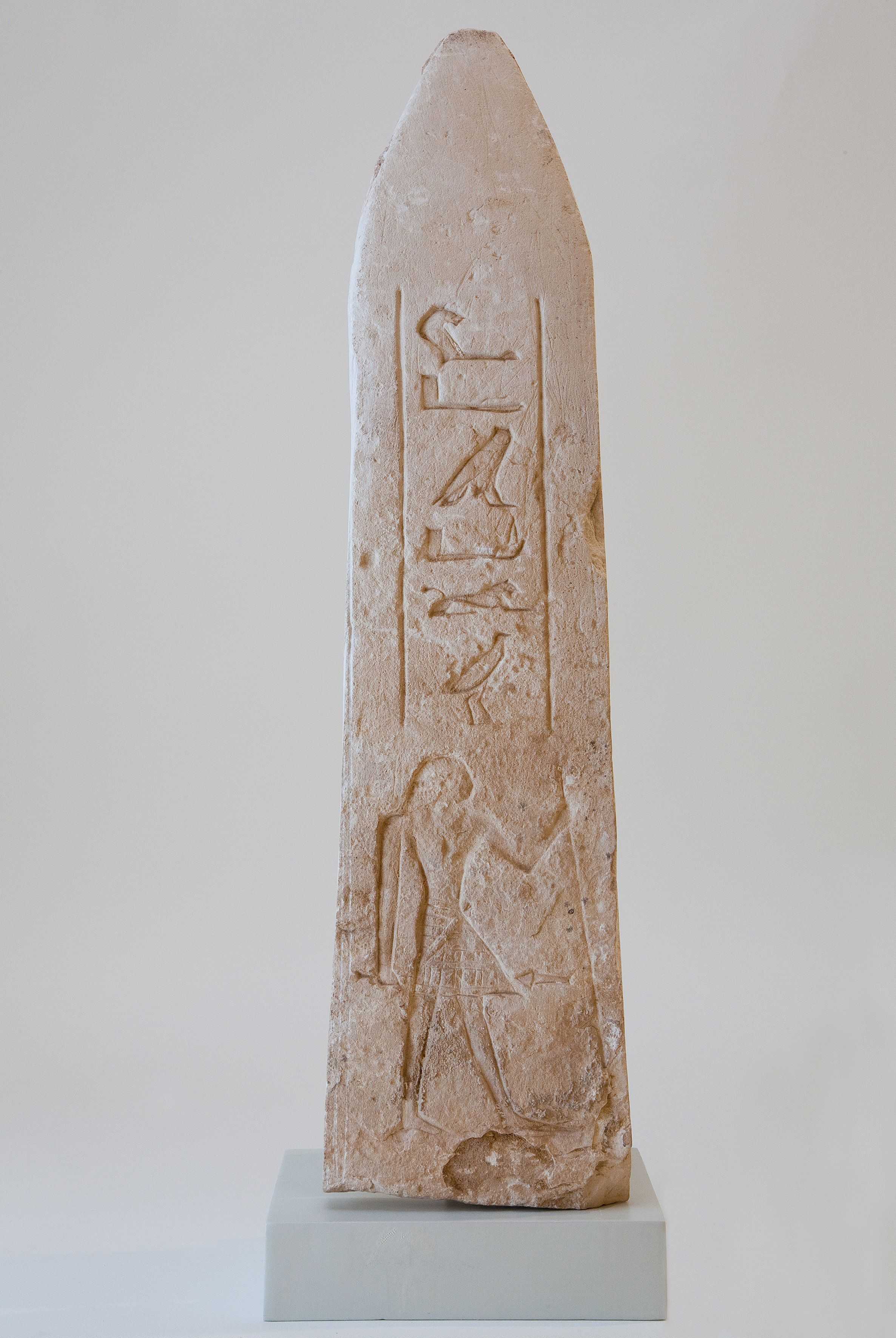
Grabobelisk des Maru, Altes Reich, 6. Dyn., Pepi II., 2279–2219 v. Chr., Ägypten, Saqqara-Süd, Grabkomplex N. VI., Kalkstein 45,5 cm × 11,6 cm × 2,6 cm, © Gustav-Lübcke-Museum Hamm/Thorsten Hübner
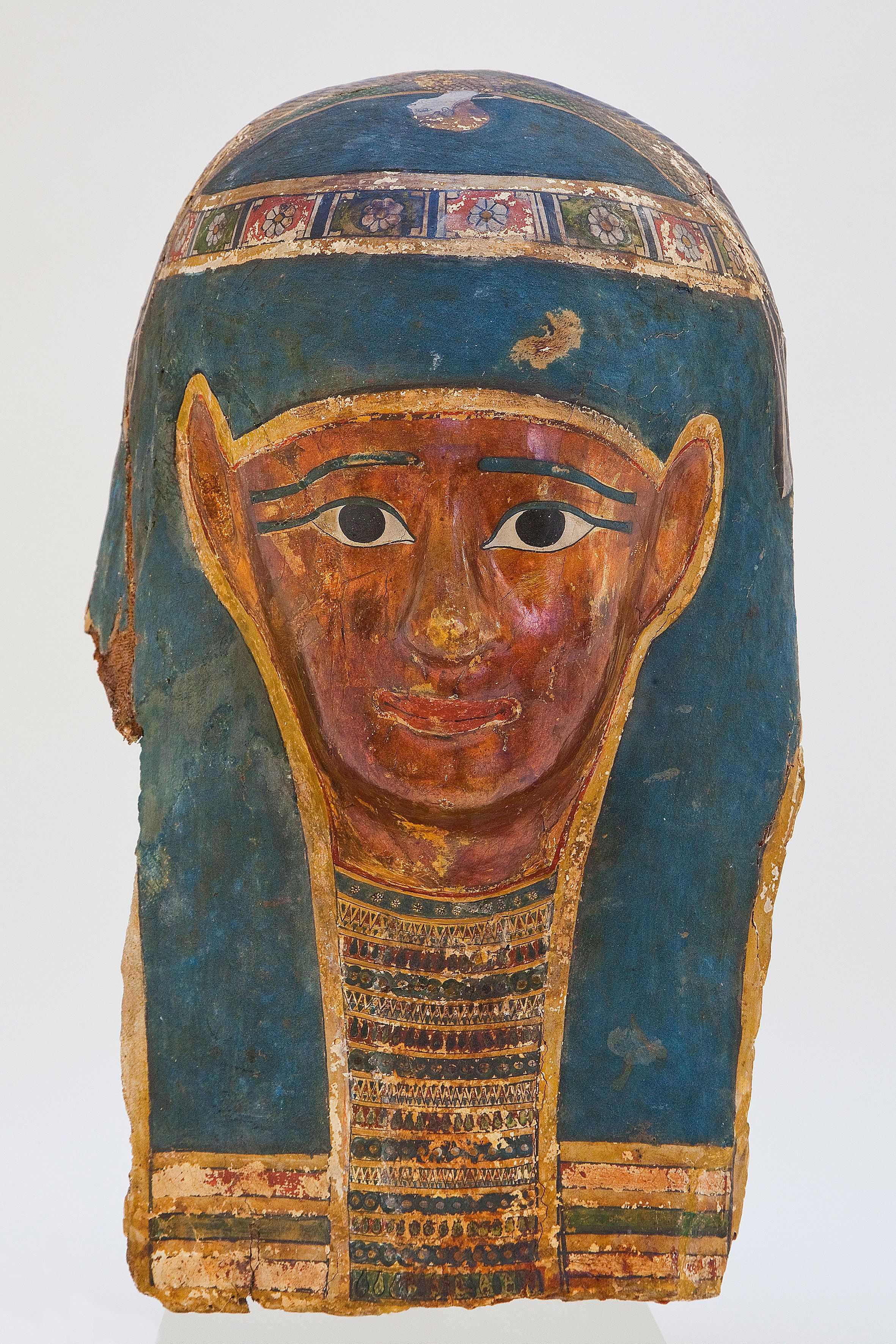
Mumienmaske, Frühe Ptolemäerzeit, ca. 300–250 v. Chr., Ägypten, Achmim (?) Kartonage, stuckiert, bemalt, vergoldet 39,0 × 24,5 × 32,0 cm, © Gustav-Lübcke-Museum Hamm/Thorsten Hübner
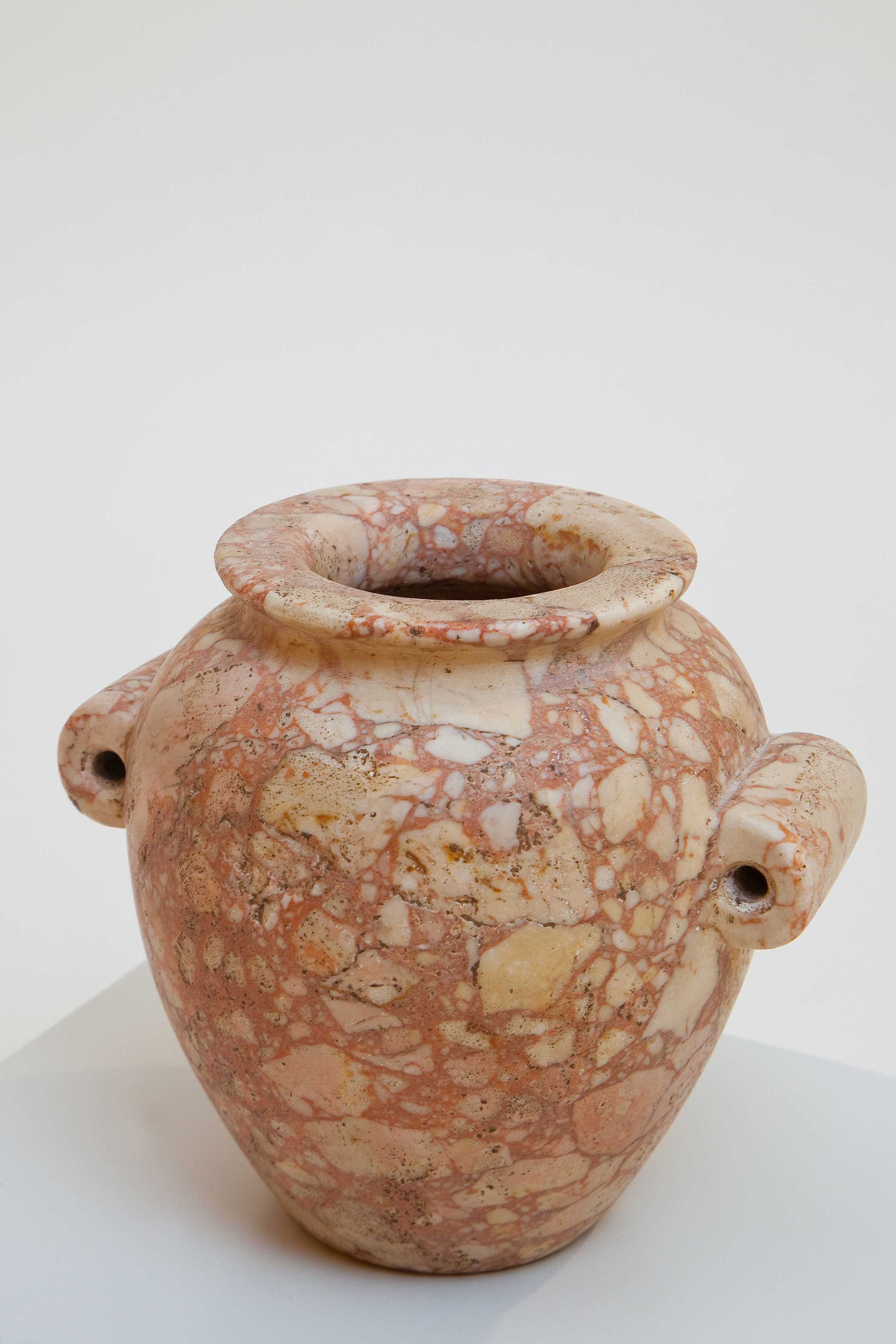
Schnurösengefäß, Frühdynastische Zeit, 1.–2. Dyn., 3000–2700 v. Chr., Ägypten Breccie 11,6 × 13,0 cm (inkl. Ösen), © Gustav-Lübcke-Museum Hamm/Thorsten Hübner
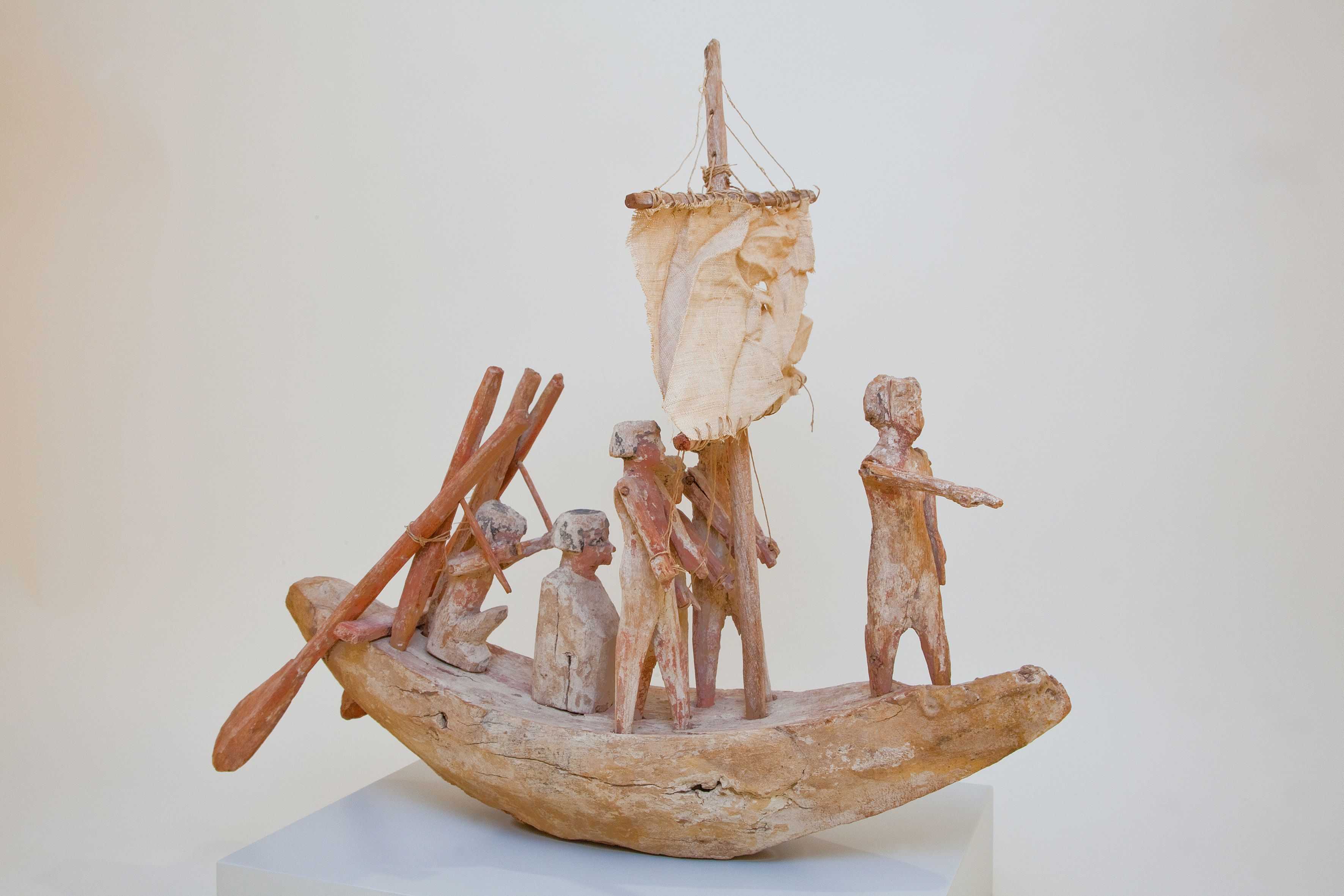
Schiffmodell, Mittleres Reich, 11. Dyn., 2119–1976 v. Chr. Ägypten Holz, stuckiert, bemalt; Leinen 47,5 × 12,5 × 51,0 cm, © Gustav-Lübcke-Museum Hamm/Thorsten Hübner
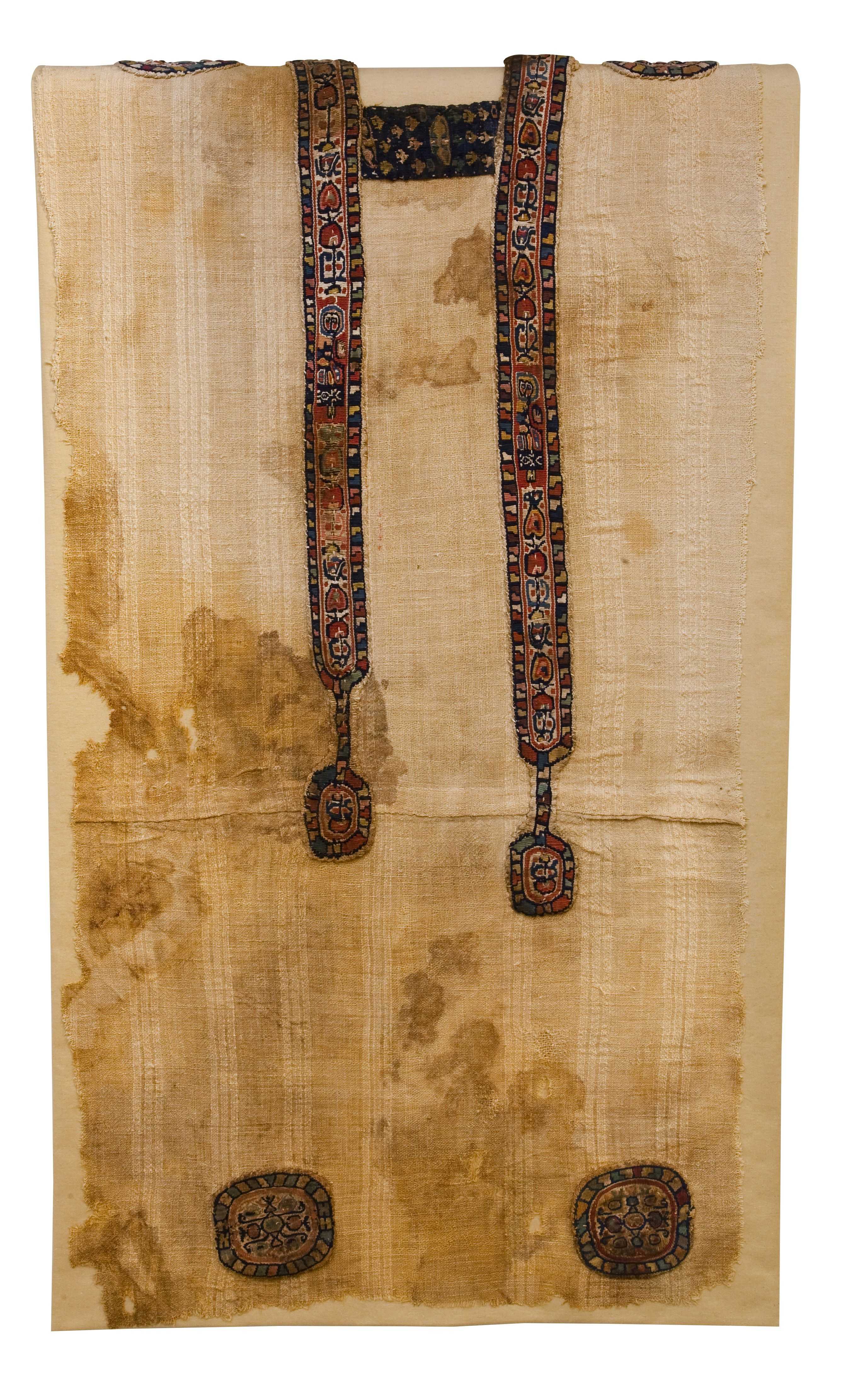
Tunika eines Kindes, 8.–10. Jh. n. Chr., Ägypten Wolle 93,0 × 50,0 cm, © Gustav-Lübcke-Museum Hamm/Thorsten Hübner
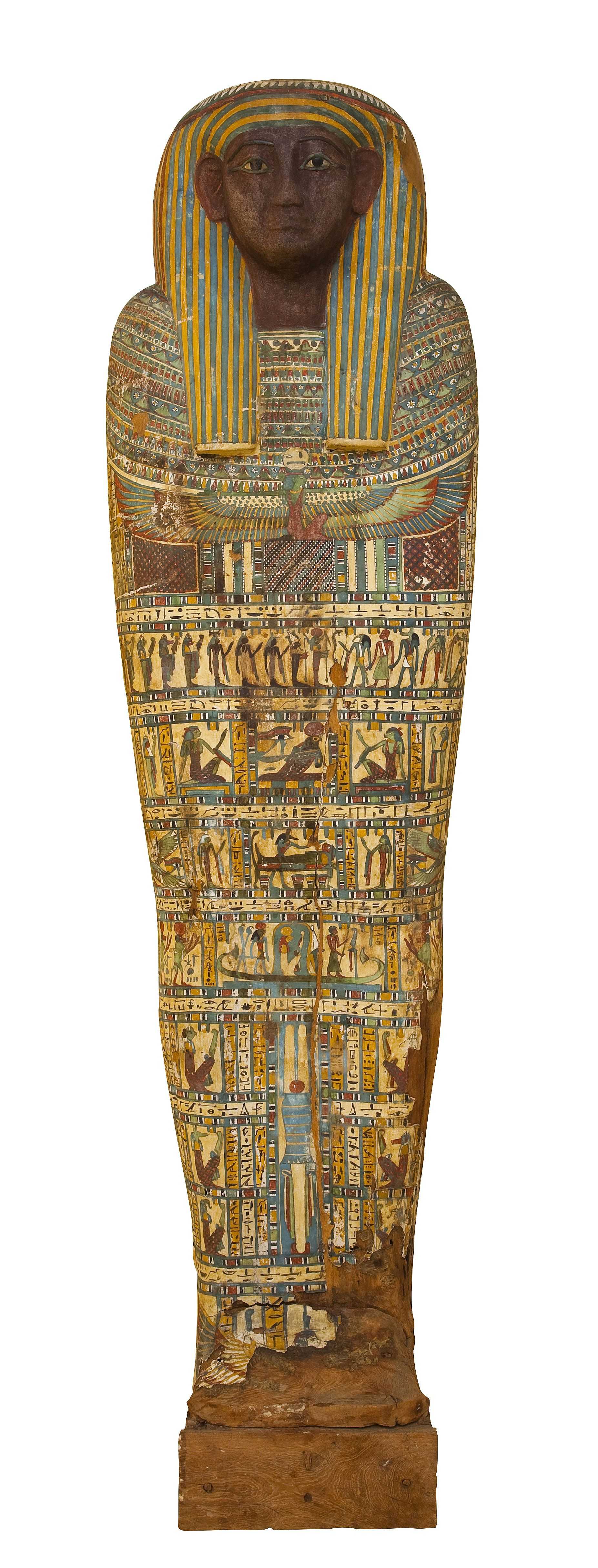
Anthropomorpher Sarg des Peti-Imen-menu, 25. Dyn., 1. Hälfte 7. Jh. v. Chr. Ägypten, Theben-West, Scheich Abd el-Qurna Holz, stuckiert und bemalt 45,0 × 203,0 × 57,5 cm, © Gustav-Lübcke-Museum Hamm / Thorsten Hübner
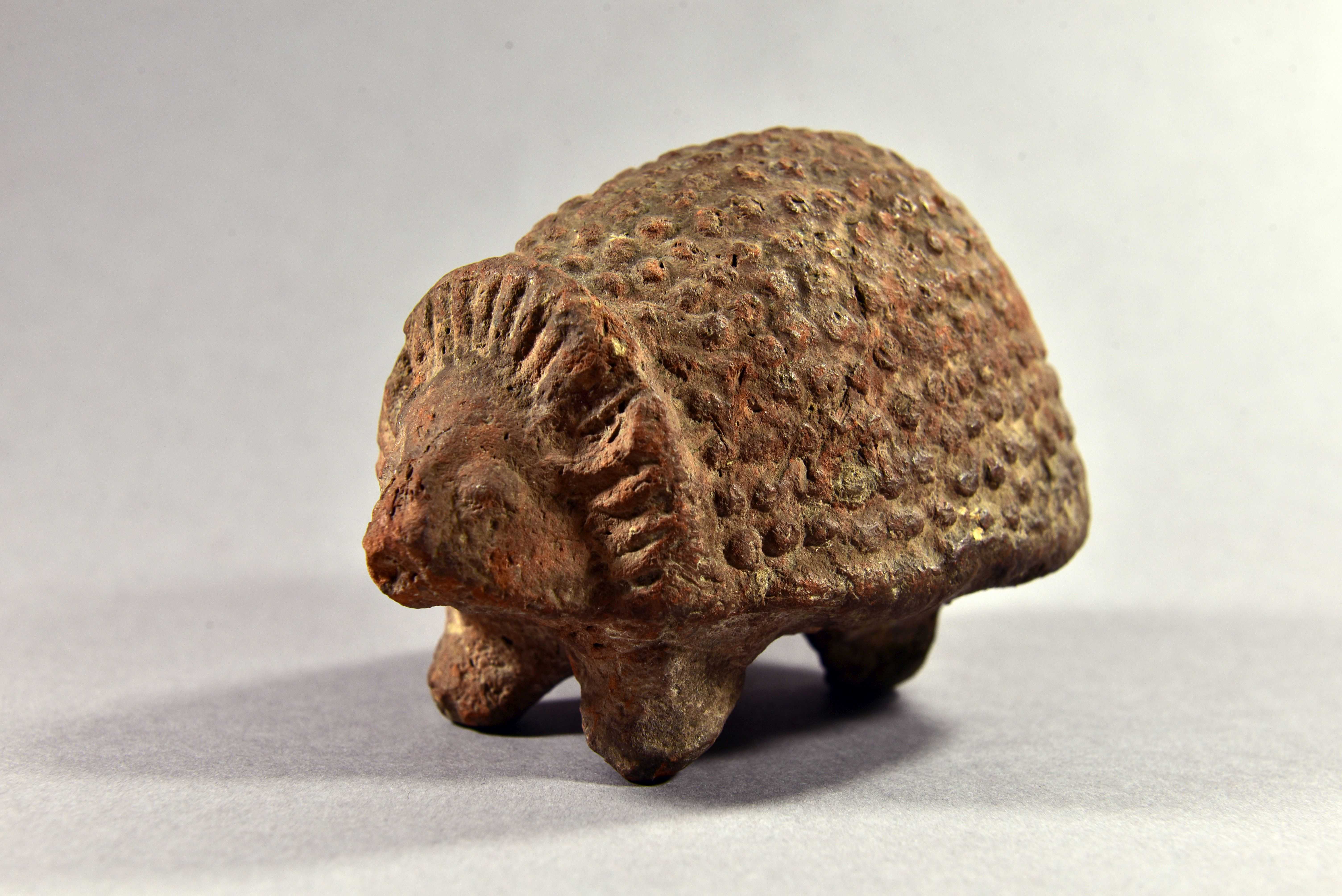
Rassel in Gestalt eines Igels, Röm. Kaiserzeit, 2.–4. Jh. v. Chr. (?) Ägypten Ton, gebrannt 7,5 × 7,8 ×11,7, © Gustav-Lübcke-Museum Hamm
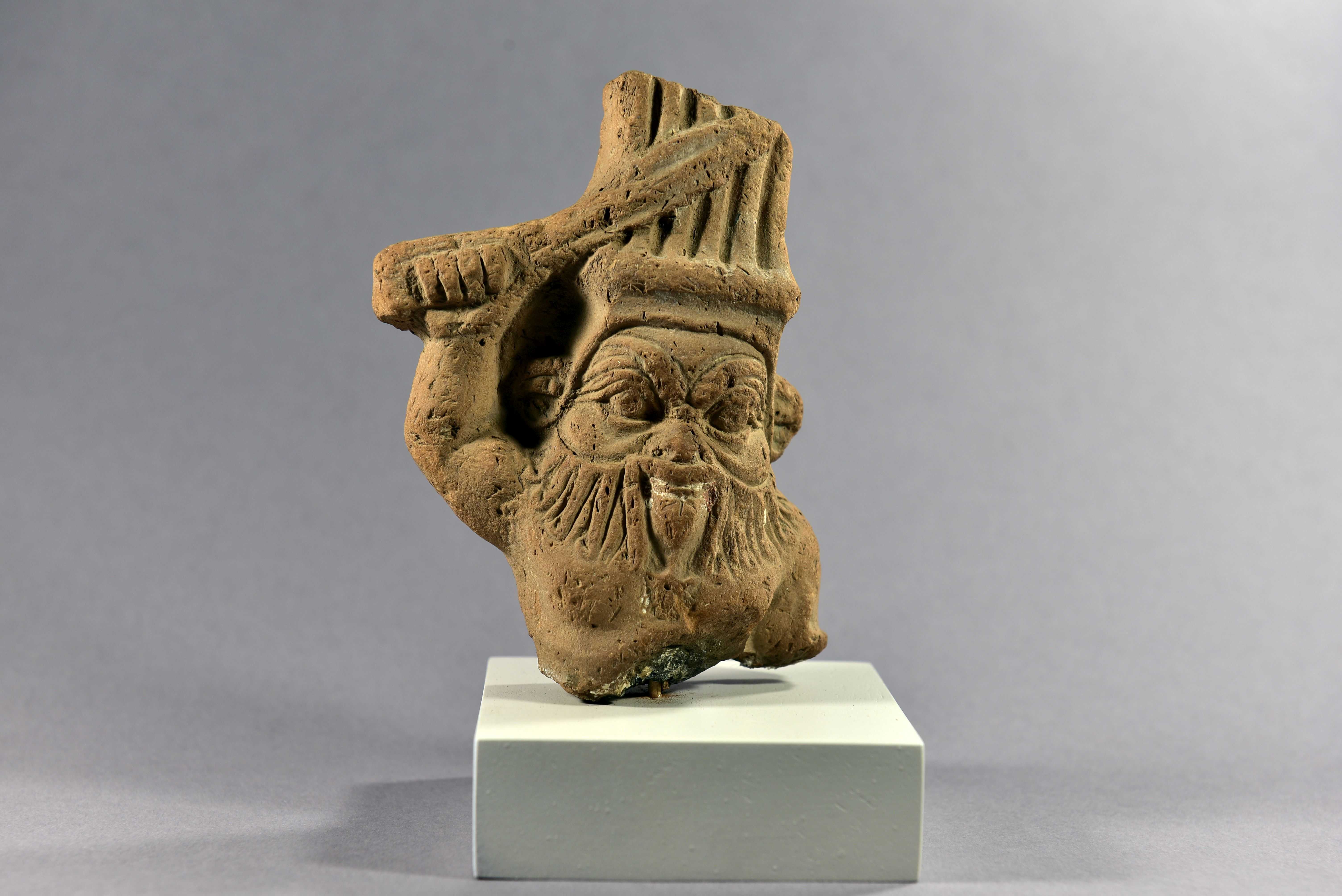
Terrakotte in Gestalt des Bes, Frühe Ptolemäerzeit, 3. Jh. v. Chr. Ägypten Ton, gebrannt 11,8 × 8,0 × 3,1 cm, © Gustav-Lübcke-Museum Hamm
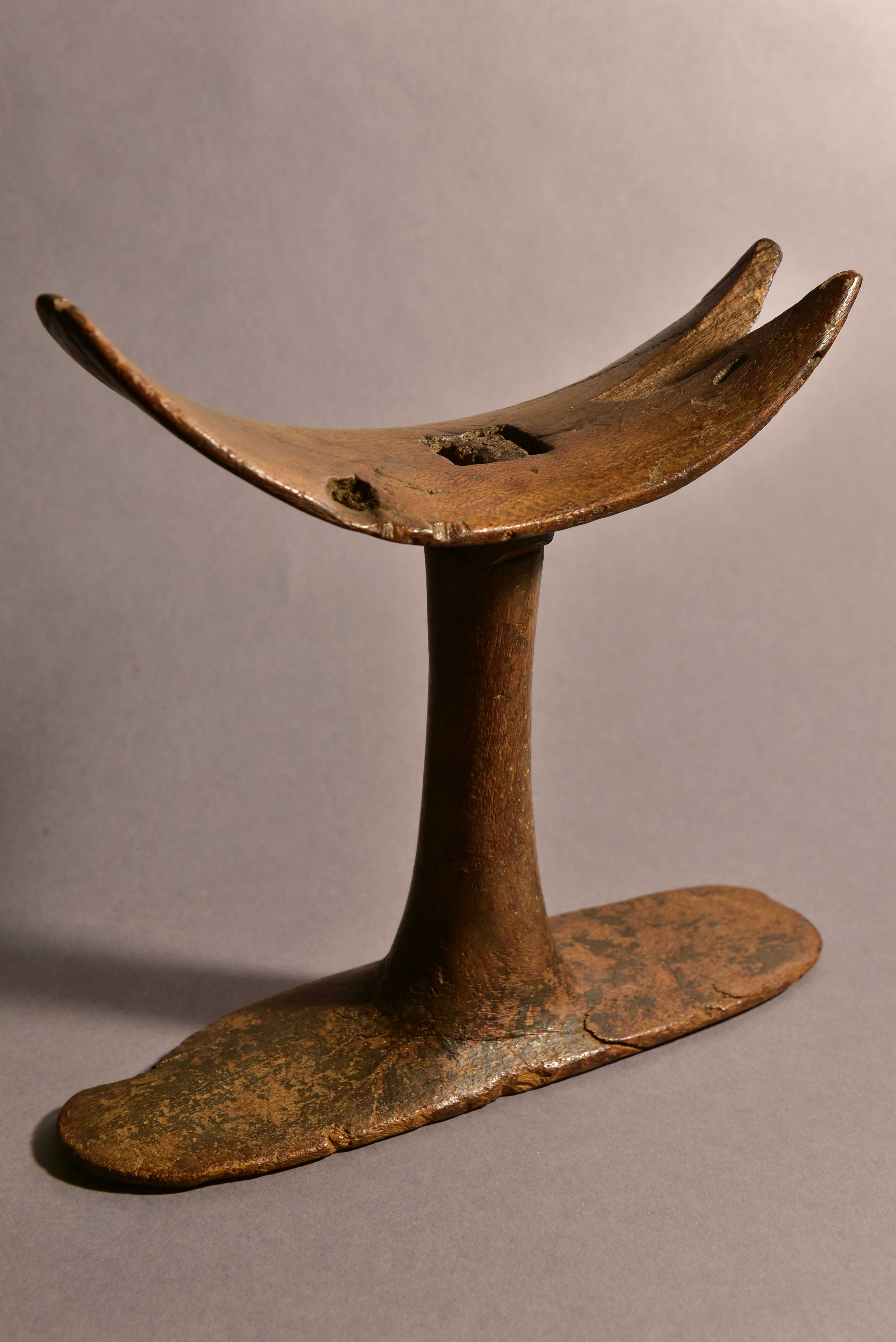
Kopfstütze Spätes Altes Reich, 6. Dyn., 2350–2200 v. Chr. Ägypten Holz 19,2 × 20,2 × 6,6 cm, © Gustav-Lübcke-Museum Hamm
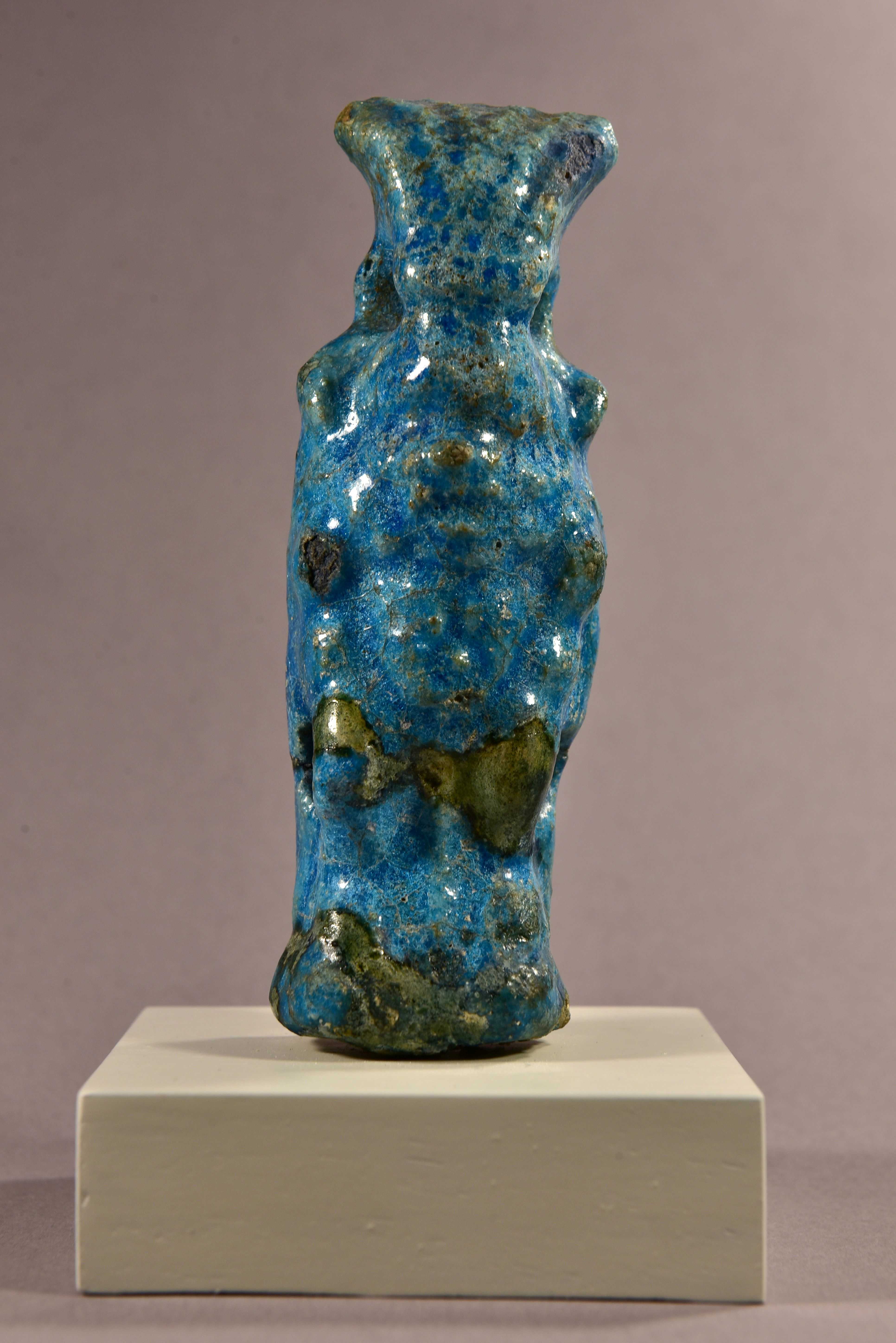
Figur in Gestalt des Bes, Röm. Kaiserzeit, 1. Jh. v. Chr., Ägypten, Fayence 12,7 x 4,3 x 3 cm, © Gustav-Lübcke-Museum Hamm
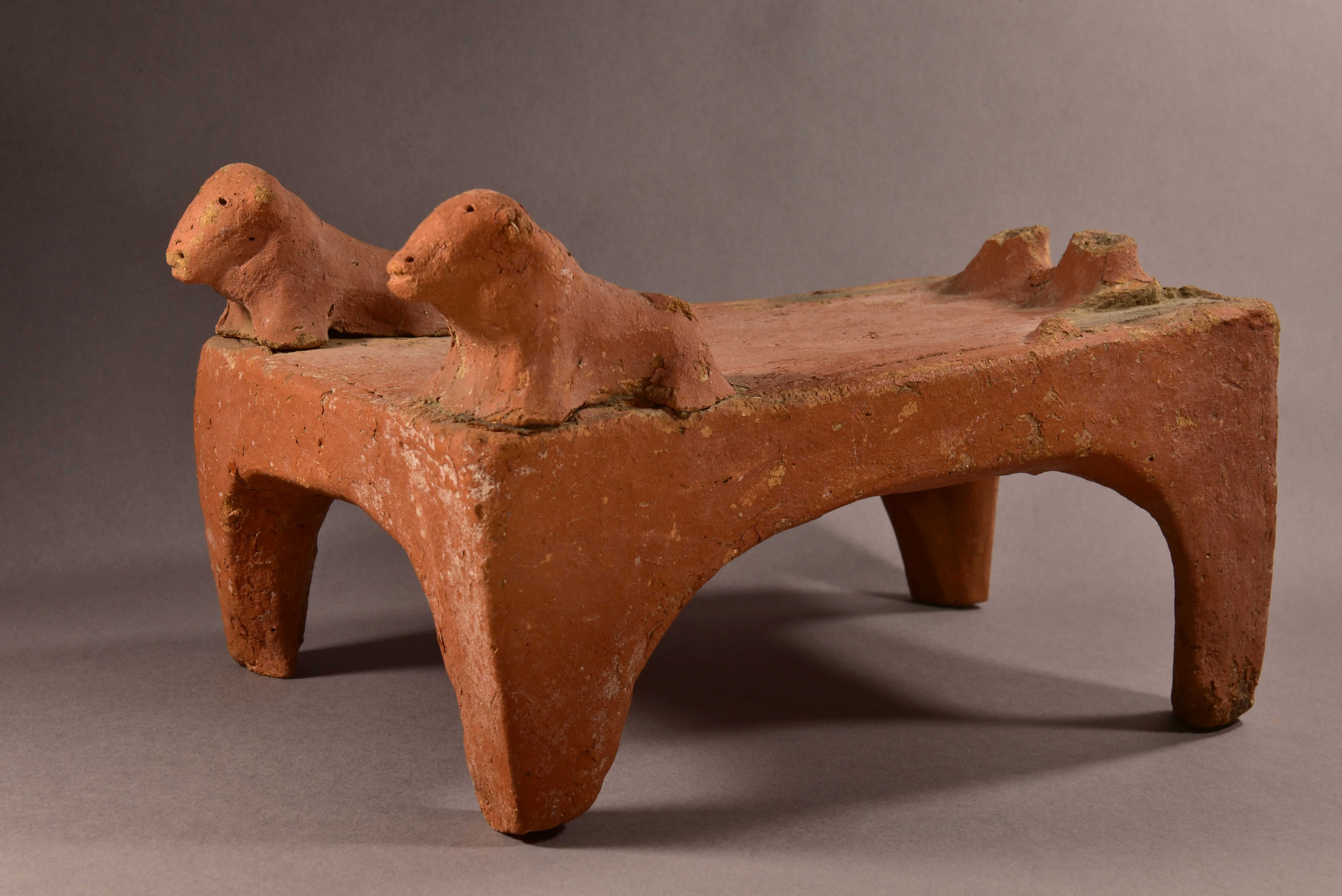
Modell einer Totenbahre, Altes Reich, 5.-6. Dyn., 2500-2200 v. Chr., Ägypten, ton 12,5 x 22 x 14 cm, © Gustav-Lübcke-Museum Hamm
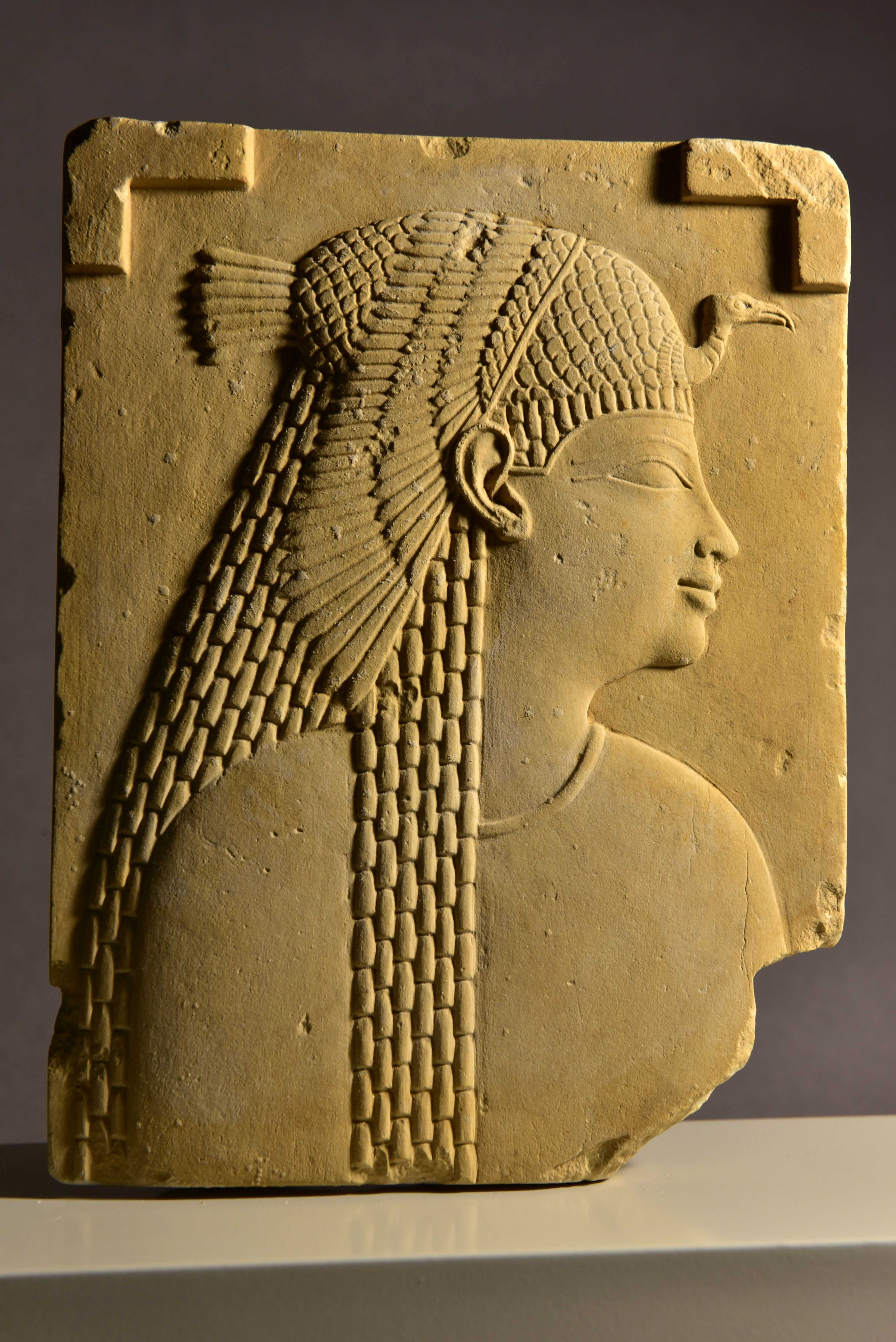
Bildhauerstudie mit Königinnenbüste und Apis-Stier, Frühe Ptolemäerzeit, ca. 300-200 v. Chr., Ägypten, Kalkstein 17 x 12,9 x 1,75 cm, © Gustav-Lübcke-Museum Hamm
